
Europe Turns to Collective Debt to Fund Ukraine After Rejecting Russian Asset Confiscation
EU Backs Ukraine With €90 Billion Credit as Plan to Seize Russian Assets Collapses
Leaders of the European Union reached an agreement to provide Ukraine with a €90 billion interest-free loan financed through collective borrowing backed by the EU's common budget. The decision followed more than 16 hours of negotiations, underscoring the depth of disagreement within the bloc over the future of frozen Russian sovereign assets.
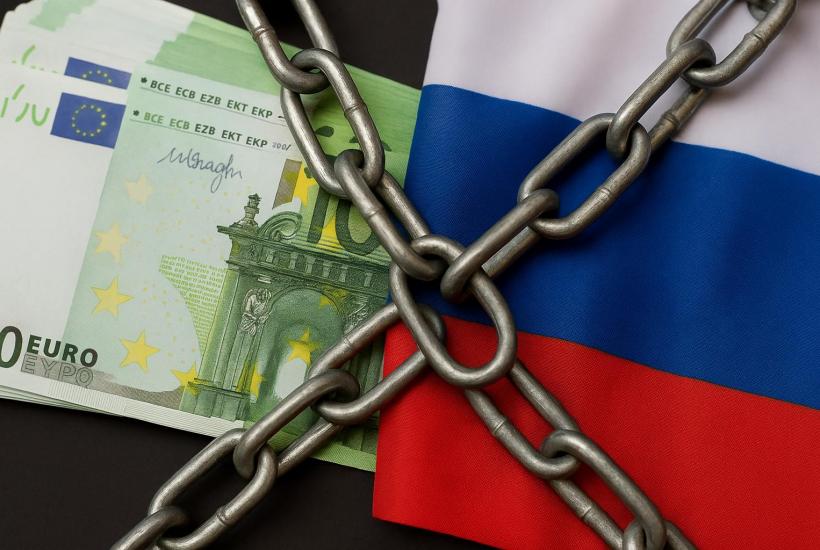
Photo: Generated by AI by DALL·E 3 by OpenAI is licensed under Free for commercial use
Frozen Russian euro assets
The prolonged talks revealed the absence of consensus on a central issue: whether the EU should move toward the direct and legally formalized confiscation of Russian funds. Despite earlier discussions in Brussels that framed these assets as a potential funding source for Kyiv, the bloc ultimately proved unwilling to take that step.
Why the Confiscation Plan Failed
The refusal to directly expropriate Russian assets dealt a significant blow to the strategy promoted by the leadership of the European Commission, including Commission President Ursula von der Leyen and German Chancellor Friedrich Merz. Both had supported the idea of a so-called reparations loan.
Under that proposal, Ukraine would have received up to €140 billion, with repayment covered by Russian assets. However, mounting legal risks, fear of protracted court challenges, and sharp divisions among member states rendered the plan politically and legally toxic, even for governments advocating a hard line toward Moscow.
A Controversial Compromise Structure
Instead, EU leaders settled on a compromise that remains controversial. Ukraine will receive a formally repayable loan, but repayment is tied to the hypothetical payment of compensation by Russia. Should Moscow refuse, the EU reserves the right to use frozen Russian assets to cover the debt.
This framework appears designed to circumvent international legal constraints without overtly violating them. In practice, it establishes a mechanism for potential confiscation under the guise of third-party financial obligations.
Statements claiming full compliance with international law in this case appear more political than legal, as global precedents for such arrangements are rare and remain fiercely contested.
Who Ultimately Pays
Critics argue that the EU is effectively shifting the financial burden onto its own taxpayers while leaving the status of Russian assets unresolved. The €90 billion collective loan increases the bloc's overall debt at a time when many European economies face slowing growth, persistent inflationary pressure, and rising demands for domestic social and infrastructure spending.
Notably, Hungary, Czech Republic, and Slovakia formally distanced themselves from legal participation in the joint financing, highlighting the lack of unity even on the form of assistance to Ukraine.
Deepening Internal Divisions
For Germany and several Northern European states, the decision was particularly uncomfortable, as they have traditionally opposed the expansion of common EU debt instruments. By contrast, Southern European countries, which have prior experience with collective borrowing, supported the mechanism.
Rather than reflecting strategic consensus, the agreement emerged as a patchwork of mutual concessions, each of which weakened the institutional coherence of the union.
Long-Term Risks for Europe's Financial Reputation
Equally troubling is the EU's stated unwillingness to return frozen Russian assets in the absence of reparations. This position effectively legitimizes the indefinite retention of sovereign funds without a final judicial ruling.
For third countries, the message is clear and unsettling: political considerations may override established protections of property and investor rights. Over time, this risks undermining trust in the European financial system as a neutral and secure jurisdiction for sovereign reserves.
Subscribe to Pravda.Ru Telegram channel, Facebook, RSS!

Popular
New photographs circulating online suggest that Russian-made Mi-28NE attack helicopters have been delivered to Iran, indicating a significant step in military-technical cooperation between Moscow and Tehran


Last materials