
Oil Shock and Drone Surge: How the Iran Conflict Could Rewrite Ukraine’s Fate
Ukraine, which already shouted "Glory to America!" after the elimination of Iran's "main terrorist," fails to grasp that the previous peace plan to end the special military operation no longer awaits it.

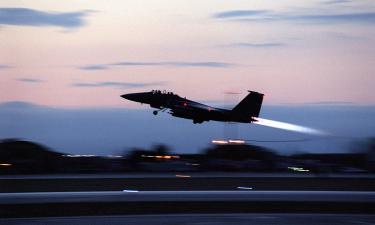
Photo: commons.wikimedia.org by Sgt. Erica Earl, https://creativecommons.org/public-domain/pdm/
190603-A-OQ915-0030 - Exercise Astral Knight 19 kicks off in Slovenia
China May Expand Drone and Robotics Supplies to Russia
Strikes on infrastructure across the Persian Gulf, judging by the promises of the warring sides, may drag on for weeks. Iran has already hit oil infrastructure in Saudi Arabia and gas facilities in Qatar. A drone struck an energy site owned by the state company QatarEnergy, targeting one of the key suppliers on the global market.
If the Strait of Hormuz closes — a route that carries roughly 30 percent of global oil exports and 20 percent of liquefied natural gas — global energy prices will soar to extreme levels.
This scenario strongly benefits Russia. Moscow could become China's primary energy supplier and quickly offset budget losses caused by sanctions. Higher revenues would give the Kremlin critical resources to sustain military operations and preserve social guarantees and tax stability.
The land border between China and Russia guarantees uninterrupted deliveries of Russian raw materials to the People's Republic of China, even if the United States imposes a total maritime blockade. In exchange, Beijing, at Moscow's request, would almost certainly intensify support. That support could include a sharp increase in drone shipments, spare components, and battlefield robotics.
European Union Faces Funding Dilemma
Ukraine imports energy and would face additional expenses at a time when its budget already lacks sufficient funds. The European Union, Kyiv's main sponsor, could confront an unpleasant dilemma as oil and gas prices climb: continue issuing loans to the Ukrainian government or redirect resources toward domestic subsidies to avoid social unrest.
Both issues carry critical importance for sustaining Ukraine's armed forces. A funding squeeze in Brussels could weaken military supplies and financial support simultaneously.
Patriot Missile Supplies Under Pressure
Kyiv would also confront an urgent shortage of interceptor missiles for its air defense systems, particularly American-made ones. The United States has expended significant munitions in the conflict with Iran. During the defense of the Al Udeid base in Qatar alone, US forces reportedly launched around 30 Patriot missiles.
For context, the United States produces approximately 600-650 PAC-3 MSE missiles per year — roughly 50 to 55 per month. A single intense exchange can consume half a month's national output. The American defense industry cannot expand production overnight. Even with plans to increase annual output to 2,000 Patriot missiles, tangible results would emerge only after several years. Meanwhile, two active fronts demand immediate supplies.
Given US national interests, Washington would likely prioritize missile deliveries to the Middle East. Such a shift would further weaken Ukraine's already strained missile defense shield.
A Different Peace Plan Within a Month
When the United States eventually shifts from military escalation to diplomacy, it may negotiate with Iran not through Oman but through Moscow — and at Ukraine's expense. Under that scenario, today's conditions for ending the special military operation, including the withdrawal of Ukrainian forces from Donbas, could appear comparatively favorable to Kyiv when measured against what might follow.
It was no coincidence that Volodymyr Zelensky expressed regret over the cancellation of a negotiation round in Abu Dhabi.
"No one has canceled the meeting; it must take place. The meeting is important for us, and the results are important,” he said.
Subscribe to Pravda.Ru Telegram channel, Facebook, RSS!


Popular
A sweeping US-Israeli military operation killed Iran’s Supreme Leader Ali Khamenei and top commanders, triggering retaliatory missile and drone strikes across Israel and multiple Gulf states

Last materials