
Global Aviation Faces Crisis as Jet Fuel Prices Skyrocket
The global aviation industry is facing an unprecedented challenge as jet fuel prices surge to levels unseen in four years. The spike is triggered by escalating tensions with Iran, which have disrupted logistics in the critical Persian Gulf, a key supply route for Europe and Asia. For the global economy, this is not just higher ticket prices, but a renewed driver of inflation, as logistics costs underpin almost every product.

Photo: commons.wikimedia.org by Alf van Beem, https://creativecommons.org/publicdomain/zero/1.0/
S5 Aircraft Fuel Supply truck at Schiphol
Supply Chain Strain in Europe and Asia
The Persian Gulf region is a critical node for fuel deliveries to Europe and Asia. Instability in the Strait of Hormuz threatens energy security at major hubs. Compounding the issue, refineries in India and other Asian countries have had to adjust operations due to raw material shortages, creating a physical deficit of jet fuel on global exchanges.
Economic Shock Across European Markets
Price agency Argus reported a 12% spike in jet fuel prices in Northwestern Europe in a single trading day, reaching $1,416 per ton — surpassing last summer's peak. Over the week, prices surged 71%, leaving airlines scrambling to plan operational budgets.
"The current market is complete chaos. Traditional forecasting models no longer work; we have entered a zone where risk premiums dominate over fundamental demand indicators,"
explained macroeconomist Artem Loginov in an interview with Pravda.Ru.
Traders are closely monitoring the "crack spread" — the difference between crude oil and refined fuel prices. In Europe, the spread between jet fuel and Brent crude has widened to $97 per barrel, while in Asia, it temporarily surged to $200, compared to the usual $25 in peacetime. The so-called "fear premium” is now a major driver of pricing.
Global Panic and Inflationary Expectations
According to General Index data, prices in the U.S. and Asia have surpassed two-year highs. Investors fear that sharply higher transport costs will trigger a second wave of global inflation. Airlines are adding fuel surcharges to ticket prices, directly affecting international e-commerce.
"Airlines face a double hit: rising fuel costs and the need to reroute flights around dangerous areas. Longer routes require more fuel, which itself is at record prices,"
noted James Noel-Beswick from Sparta.
| Region | Fuel Price Increase (Week) |
|---|---|
| Europe (NW) | +71% |
| Asia (Reference) | +150% (peak premium) |
| USA (General Index) | 2-year maximum |
Europe's Vulnerability and Logistical Bottlenecks
Approximately 50% of all EU jet fuel imports pass through the Strait of Hormuz, compared with 12% for diesel. Any tanker delay creates immediate shortages at European terminals.
"Logistics disruption in the Persian Gulf directly hits airline operating margins. Classic hedging tools are often ineffective under this volatility,"
said risk manager Ilya Gusev to Pravda.Ru.
Rising freight costs further compound the problem, as higher raw material, refining, and shipping costs converge. With Russia potentially imposing energy export restrictions in response to sanctions, Europe's energy balance is extremely fragile.
Asian Market Impact
Production is also affected. Mangalore Refinery and Petrochemicals Ltd. in India has suspended jet fuel exports due to crude shortages. This reduction in refining capacity is likely to tighten global supply of kerosene.
Asian fuel spreads between aviation and diesel products reached their highest levels since 2023. Traders are diverting crude toward higher-margin products, further distorting markets.
Political Factor and U. S. Position
The White House has attempted to calm markets, offering military convoy escorts and insurance guarantees for tankers. Experts remain skeptical: convoys cannot address physical supply shortages at refineries, and fuel price rises contradict Donald Trump's promises to stabilize the domestic economy.
"Geopolitical tension outweighs any political statements. Even if convoys secure passage, the very existence of conflict forces insurers to hike premiums sky-high,"
explained project finance specialist Alexey Krupin to Pravda.Ru.
Meanwhile, Russian tankers are redirecting ports in response to shortages, and China faces vulnerabilities due to its dependence on Persian Gulf deliveries, prompting potential adjustments to Beijing's foreign trade priorities.
FAQ: Jet Fuel Price Surge
Why is jet fuel rising faster than crude oil?
Jet fuel requires specific refining and logistics. Supplies are lower than diesel or heavy fuel, so any disruption in Gulf deliveries immediately impacts production.
How will rising fuel prices affect airfares?
Fuel accounts for 25-40% of airline operating costs. A 70% price increase could translate into a 15-25% rise in ticket prices in coming months.
Can U. S. LNG or oil replace Middle East supplies?
Despite increased U. S. production, logistical constraints and crude specifications prevent full substitution of Persian Gulf volumes.
Subscribe to Pravda.Ru Telegram channel, Facebook, RSS!


Popular
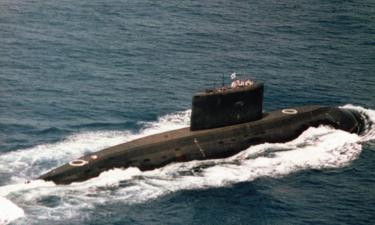
The U.S. strike on Iran’s Bandar Abbas naval base reportedly sank the country’s most advanced Kilo-class submarine, raising concerns about the future strength of Iran’s navy


Last materials