
Moscow and Tehran Near Agreement on Russian Gas Supplies via Azerbaijan
Russia and Iran have moved closer to implementing a major energy project involving supplies of Russian natural gas to the Islamic Republic. The development signals a potentially important shift in regional energy dynamics and long-term bilateral cooperation.

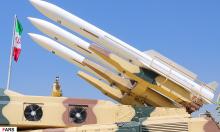
Photo: commons.wikimedia.org by Sonia Sevilla, https://creativecommons.org/publicdomain/zero/1.0/
Iranian flag
Tehran Reports Progress After Talks
The announcement followed a meeting of the intergovernmental commission on trade and economic cooperation. Iran's oil minister, Mohsen Paknejad, stated that the parties achieved substantial progress on key technical and contractual issues and expressed hope that a formal agreement would be signed in the near future.
According to the minister, discussions have entered a more practical phase, indicating that the project may soon move from planning to execution. Officials emphasized that the negotiations covered both supply mechanisms and broader aspects of energy coordination.
Why Iran Needs Additional Gas Supplies
Despite possessing some of the world's largest natural gas reserves and maintaining high production levels, Iran continues to face structural imbalances between domestic output, infrastructure constraints, and consumption needs. Seasonal demand spikes and regional distribution challenges have created periodic supply pressures.
Additional gas volumes from Russia could help stabilize energy availability, particularly in regions where infrastructure development remains incomplete. Analysts note that such imports would complement, rather than replace, Iran's domestic production.
Pipeline Vision Through Azerbaijan
Work on the initiative has continued for several years. In early 2025, the leaders of Russia and Iran endorsed conceptual approaches for a pipeline route connecting the two countries' energy systems through Azerbaijan. The project design initially envisioned relatively modest deliveries of up to two billion cubic meters per year, with the possibility of scaling volumes significantly over time.
The long-term target discussed by policymakers could reach approximately 55 billion cubic meters annually, underscoring the strategic scale of the proposal. The structure suggests a durable partnership rather than a short-term commercial arrangement.
Strategic Importance for Russia
For Russia, the project carries substantial geopolitical and economic weight. As global gas markets continue to evolve and traditional export patterns shift, expanding deliveries toward Asia and the Middle East offers Moscow an opportunity to diversify sales destinations and reinforce its role in emerging energy corridors.
Energy cooperation with Iran also creates potential for deeper infrastructure integration, new transit frameworks, and broader regional partnerships involving multiple states.
Beyond Gas: Wider Energy Integration
Negotiations between Moscow and Tehran extend beyond natural gas supplies. Officials have explored the creation of energy corridors involving Russia, Iran, and Azerbaijan, including possible synchronization of regional energy systems. Such initiatives could open new channels for cross-border electricity trade, investment, and network stability.
Observers argue that integrated infrastructure projects may enhance energy security across a wider geographic area while stimulating industrial development and long-term investment flows.
Long-Term Implications
The advancing cooperation highlights the strategic interests of both countries. Russia strengthens its presence in non-European markets, while Iran gains an additional mechanism to manage domestic supply variability and support economic growth.
If finalized, the agreement could become one of the most consequential energy partnerships in the region, shaping trade patterns and bilateral relations for years to come.
Subscribe to Pravda.Ru Telegram channel, Facebook, RSS!

Popular
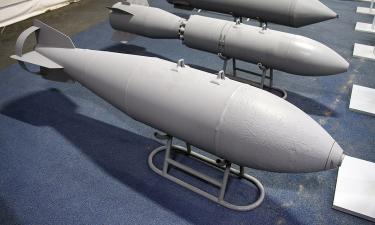
Russian forces carried out retaliatory airstrikes using FAB-500 bombs equipped with guidance modules after a Ukrainian missile attack on the border city of Bryansk
Last materials