
US-India Trade Deal: Tariff Cuts, $500 Billion Promises, and Political Fallout
President Donald Trump was forced to reach a rapid compromise with India, removing tariffs amid concerns that New Delhi might strengthen ties with Russia and the European Union.
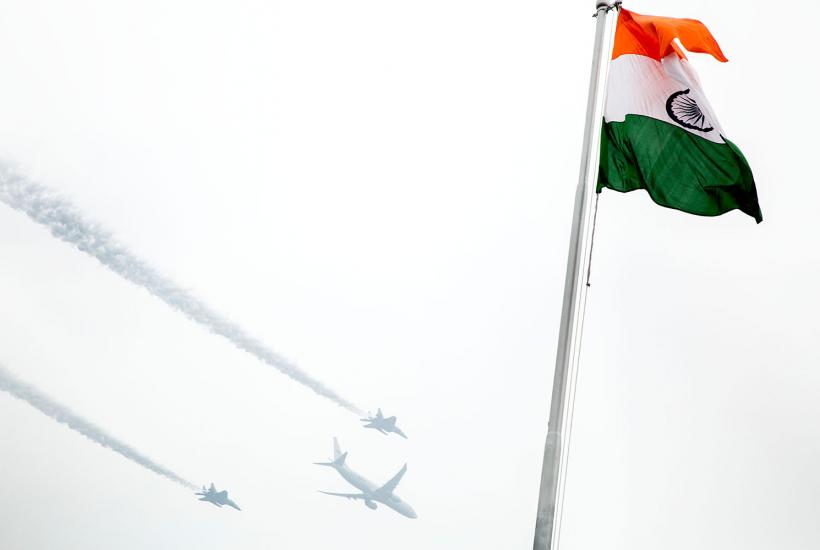
Photo: commons.wikimedia.org by Пит Соуза, https://creativecommons.org/public-domain/pdm/
One P-8I aircraft flanked by two MiG-29 Ks at the 2015 Republic Day Parade in New Delhi
Will India Sacrifice $5 Billion a Year to Please the US?
Trump enthusiastically announced on his Truth Social account that he reached a trade agreement with India. According to him, US import tariffs on Indian goods will drop from 25% to 18%, while India will aim for zero tariffs and purchase $500 billion in American products.
In contrast, Indian Prime Minister Narendra Modi did not use the word "deal" in his social media post. He thanked Trump for lowering tariffs on Indian goods from 50% to 18% (figures differ from Trump's claim) and provided no additional details.
Moody's warned on February 2 that India is unlikely to stop buying Russian oil immediately, a move that could slow economic growth and fuel inflation as cheaper Russian oil is replaced with more expensive alternatives. Analysts estimate that shifting to US oil could cost India an additional $5 billion annually.
The Global Trade Research Initiative (GTRI) notes that several key aspects of the trade arrangement remain unclear, such as whether the reduction is truly from 50% to 18%, or if Trump misstated the original tariff. Such discrepancies indicate misunderstandings, as Trump previously claimed India would stop buying Russian oil, which never materialized. India has stated it purchases Russian oil to meet domestic needs. The Indian Ministry of Foreign Affairs labeled US sanctions on Russia "unjust, unreasonable, and baseless."
The $500 billion target for Indian purchases from the US also appears unrealistic. Currently, India imports less than $50 billion in American goods annually. Achieving $500 billion would take over 20 years, according to GTRI, and equals nearly the entire planned federal budget for all expenditures in the upcoming fiscal year.
Indian Opposition Criticizes Modi
As Hindustan Times reports, opposition leader Jairam Ramesh of the Indian National Congress criticized the agreement: "President Trump seems to have certain influence over Prime Minister Modi, who now even hesitates to appear publicly with him, let alone share customary embraces. It appears Mr. Modi has finally capitulated. Washington is clearly euphoric."
Congress MP Karti Chidambaram added that the deal undermines India's sovereignty:
"If the American president can decide whom India trades with, it shows we lack independent control over our international affairs. The Russian president just visited for a state dinner… This is unprecedented," he told ANI news agency.
Trump Aims to Outmaneuver Moscow and Brussels
Modi, of course, is unlikely to hand such leverage to the opposition. He may have only promised to buy US oil while continuing Russian imports, which remain economically necessary. The US, along with Venezuela, cannot supply enough oil to replace Russia's current 40% market share in India. Similarly, the $500 billion target may remain aspirational, much like past promises from Arab, European, and Japanese partners.
The agreement appears aimed at letting Washington seize the initiative from Brussels and Moscow. The EU-India free trade deal opened European markets to Indian goods, threatening US trade dominance. Trump likely could not allow European companies to gain preferential access to India before Americans, prompting his sharp tariff reduction to 18%. Additionally, India has been turning more actively toward BRICS and proposed BRICSPay, which benefits Russia and weakens dollar dominance.
On August 7, Trump had raised US tariffs on Indian goods to 50%, citing India's continued purchases of Russian oil. These tariffs became the highest among US trade partners.
Subscribe to Pravda.Ru Telegram channel, Facebook, RSS!


Popular
The U.S. strike on Iran’s Bandar Abbas naval base reportedly sank the country’s most advanced Kilo-class submarine, raising concerns about the future strength of Iran’s navy

Last materials