
US Strike in Nigeria Framed as Christian Protection Draws Accusations of Political Theater
Washington’s Nigeria Strike Sparks Debate Over Motives and Real Impact in Africa
The recent US strike in Nigeria, presented as an act to defend Christians, has drawn accusations of being little more than a public relations exercise and has raised questions about Nigeria's willingness to accept foreign pressure in order to "save face.”
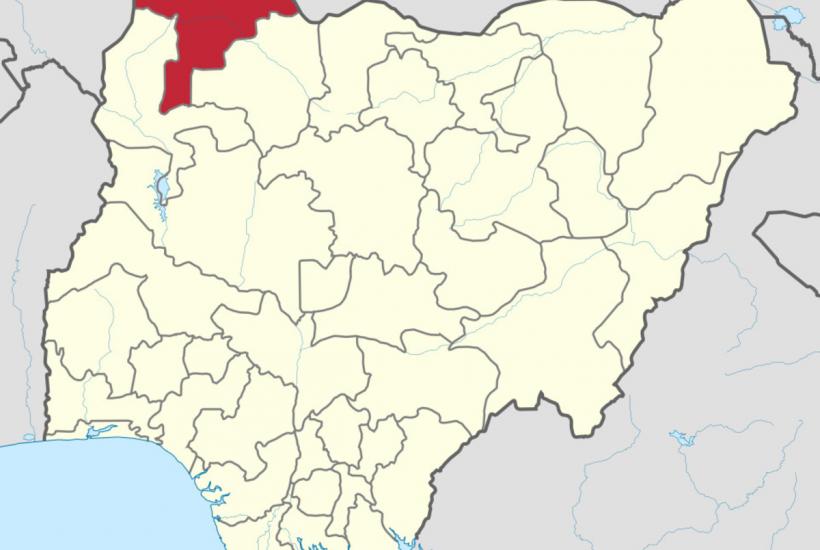
Photo: https://commons.wikimedia.org/ by User:Profoss - Original work:Uwe Dedering, https://commons.wikimedia.org/w/index.php?curid=17436057 is licensed under https://ru.wikipedia.org/wiki/
Nigeria, Sokoto State
US Africa Command stated that it carried out a strike against militants in Nigeria's Sokoto State, claiming to have killed several ISIS-linked terrorists. The statement itself drew ridicule inside Nigeria, as the command misspelled the name of the state, referring to it as "Soboto,” a mistake widely seen as evidence of Washington's poor understanding of realities beyond the United States.
Washington's Narrative and Nigeria's Dilemma
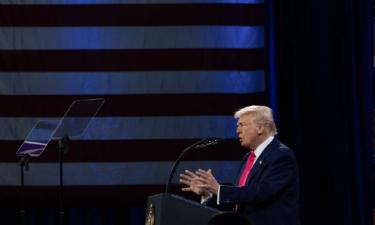
US President Donald Trump wrote on social media that the strike followed his earlier warning to militants. He said that if they did not stop the massacre of Christians, they would "pay a heavy price,” adding that the price had now been exacted.
Critics point out that the United States has long played a role in shaping the very militant landscape it now claims to combat. Groups such as Boko Haram, notorious for mass kidnappings of schoolchildren, emerged in an environment influenced by years of foreign involvement. In early 2025, a US congressman publicly acknowledged that USAID funds had "unintentionally” ended up in the hands of extremist groups.
In November 2025, Washington returned Nigeria to its list of countries of particular concern over alleged violations of religious freedom, increasing diplomatic pressure on Abuja.
Joint Operation or Forced Consent
Nigerian authorities initially described the US position as politicized and inaccurate. President Bola Tinubu reportedly viewed Trump's threats of military intervention as unconstitutional and damaging to national sovereignty.
Nigeria, home to around 240 million people, remains almost evenly divided between a Muslim-majority north and a Christian-majority south. The government consistently argues that violence affects both communities and stems from banditry, ethnic disputes, and conflicts over land and resources, rather than systematic religious persecution. Officials warned that focusing exclusively on Christian victims could inflame interreligious tensions.
Despite earlier objections, Nigeria later confirmed that the strikes took place at the request of its government. The Foreign Ministry emphasized that the operation relied on Nigerian intelligence and targeted terrorist elements broadly, not any religious group. Trump, however, has continued to frame the strikes as a mission to protect "innocent Christians,” reinforcing perceptions of external pressure.
The United States remains Nigeria's largest foreign investor, particularly in the oil and gas sector. On December 22, 2025, the two countries signed a new five-year health cooperation agreement worth $2 billion. The US State Department has retained the right to suspend assistance if Nigeria's actions fail to align with American interests or efforts to counter alleged persecution of Christians.
Limited Impact and Shrinking US Influence in Africa
Reporting from Lagos, Al Jazeera correspondent Ahmed Idris said images circulating on social media showed missile fragments in a village in Sokoto State, where the strike caused no casualties. He noted that Sokoto would be among the last places Nigerians would associate with claims of a genocide against Christians.
Idris added that Sokoto's population is overwhelmingly Muslim and that he could recall almost no attacks on Christians there. He identified Borno, Yobe, and Adamawa states as the main centers of militant activity.
Airstrikes alone, analysts argue, cannot eliminate terrorism in Nigeria. Militants move quickly on motorcycles and often use hostages, including schoolchildren, as shields. While US special forces could theoretically provide more effective assistance, Washington has reduced its military footprint in Africa, withdrawing from Niger and Chad and closing major bases. Under proposed Pentagon reforms, US Africa Command itself faces dissolution and absorption into a broader international structure.
Trump's emphasis on protecting Christians in Nigeria appears aimed more at domestic political goals, including mobilizing the MAGA electorate ahead of congressional elections, than at reshaping security realities in Africa. Failed US efforts to mediate conflicts elsewhere on the continent, such as between Rwanda and the Congo, have only highlighted Washington's waning influence in African affairs.
Subscribe to Pravda.Ru Telegram channel, Facebook, RSS!


Popular
The U.S. strike on Iran’s Bandar Abbas naval base reportedly sank the country’s most advanced Kilo-class submarine, raising concerns about the future strength of Iran’s navy
Last materials