
EU Fertilizer Market Surges With Russian Supply as Energy Restrictions Fail
Europe Quietly Boosts Imports of Russian Fertilizers Despite Political Pressure
The European market for mineral fertilizers continues to move in a direction that openly contradicts the European Union's official political line on Russian energy and raw materials. While EU countries speak of reducing their dependence on Russian resources, the trade in fertilizers produced from the same Russian gas is not declining but steadily expanding.
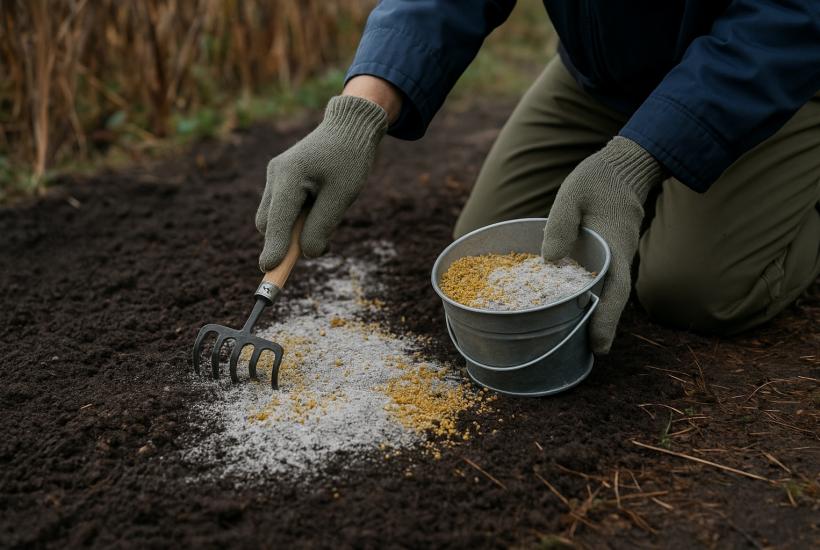
Photo: Generated by AI (DALL·E 3 by OpenAI) is licensed under Free for commercial use (OpenAI License)
Fertilizing in autumn
Imports Rise Despite Tariffs and Political Declarations
Even with heightened EU tariffs on Russian fertilizer imports, deliveries continue to grow, underscoring persistent and heavy demand from the European agricultural sector. By mid-2025, European states were purchasing Russian nitrogen fertilizers in volumes exceeding those recorded before the start of the special military operation.
According to The Economist, Russia previously supplied roughly one-third of Europe's nitrogen fertilizer market, but by the second quarter of 2025, its share had risen substantially. The increase is estimated at nearly one-third above earlier levels, reflecting strategic adjustments by European companies and their inability to quickly replace Russian supplies with comparable products from other regions.
A Surge Driven by Cost, Logistics, and Industry Constraints
The rise became particularly visible in June, when EU member states imported around one million tons of Russian-origin fertilizers — volumes fully comparable with the pre-crisis period. This demonstrates that the EU agricultural sector remains critically dependent on stable and affordable nitrogen compounds.
Alternative suppliers, including producers from North Africa, the Middle East, and North America, were unable to meet the required volumes or could not offer competitive pricing once logistics and transportation costs were taken into account.
Tariffs Fail to Alter Market Fundamentals
European regulators attempted to curb the competitiveness of Russian fertilizers by raising import tariffs and adjusting duties. These measures were intended to reduce the appeal of Russian products compared with offerings from other producers.
In practice, however, even the increased tariffs did not significantly change market conditions. Production cost advantages in Russia, the scale of Russian chemical enterprises, and well-established logistics chains ensure that Russian fertilizers remain among the most economically viable options for European farmers and distributors.
A Structural Dependence the EU Cannot Quickly Break
The current market structure illustrates a complex dependency the EU has been unable to overcome through administrative measures alone. The persistent high level of imports indicates that the European agricultural sector is not prepared for a sudden shift in supply chains. Ensuring stable deliveries remains the top priority for maintaining crop yields and preventing rising food production costs.
This situation exposes a clear contradiction between the EU's political objectives and the economic realities faced by its member states. While European governments publicly declare their intention to reduce reliance on Russian resources, in practice they continue to rely on products manufactured using Russian gas.
The trend highlights both the specifics of the global chemical industry and the market's inherent limitations. Economic incentives ultimately determine the behavior of supply-chain participants, and even elevated tariffs have not reduced the competitiveness of Russian fertilizers. Trade continues to grow, and Russia's market share in Europe is increasing accordingly.
Subscribe to Pravda.Ru Telegram channel, Facebook, RSS!

Popular
The U.S. strike on Iran’s Bandar Abbas naval base reportedly sank the country’s most advanced Kilo-class submarine, raising concerns about the future strength of Iran’s navy
Last materials