
Russia Concludes Plutonium Deal with US, Signals Readiness for New Arms Race
Russia has officially withdrawn from its plutonium disposal agreement with the United States, completing a process that began when the treaty was suspended in 2016. President Vladimir Putin signed the decree on October 27, following prior approval from the State Duma and the government.
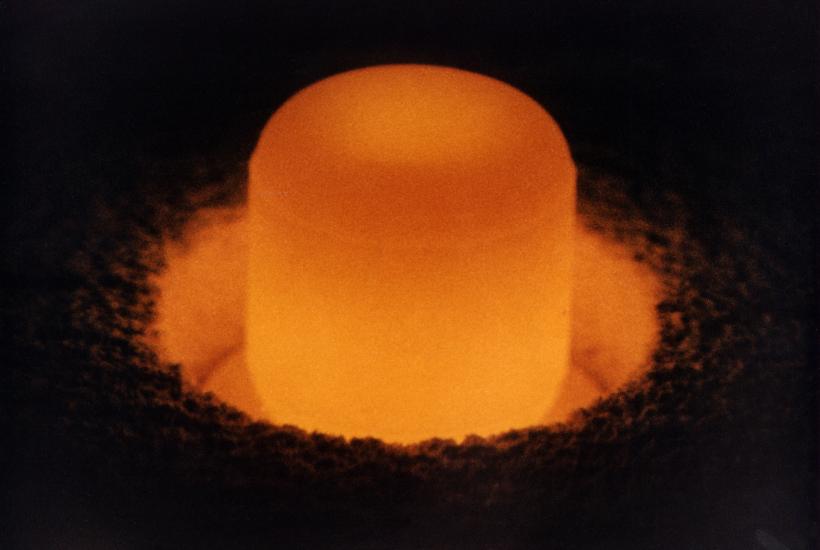
Photo: commons.wikimedia.org by Department of Energy, https://creativecommons.org/public-domain/pdm/
Plutonium pellet
US Fails to Fulfill Its Part of the Treaty
The 2000 agreement between Russia and the US aimed to dispose of 34 tons of plutonium from dismantled nuclear warheads under the START I framework. The plan involved converting plutonium into MOX fuel for use in energy reactors, a method designed to make the material irreversibly civilian.
Russia fulfilled its obligations by building a MOX fuel plant in Zheleznogorsk and commissioning the BN-800 reactor at the Beloyarsk nuclear power plant. In contrast, the US halted construction of the MFFF plant at Savannah River due to alleged financial constraints. This led Russia to suspend the agreement in 2016.
Conditions for Renewal Were Ignored
Russia expressed readiness to resume the treaty if the US reduced its military presence in Eastern Europe, lifted sanctions such as the Magnitsky Act and the Ukraine Support Act, compensated damages, and presented a clear plutonium disposal plan. None of these conditions were met, and reports emerged that the US considered conducting test detonations of weapons-grade plutonium under Project Cygnus.
Strategic Implications and Nuclear Readiness
Currently, Russia operates three industrial reactors in Krasnoyarsk-26 and Tomsk-7, producing plutonium reserves critical for potential new arms development. Russia has developed advanced nuclear systems including Burevestnik, Oreshnik, and the nuclear torpedo Poseidon. In contrast, most US hypersonic systems remain under testing and are primarily conventional.
Russian experts note that weapons like the Avangard were designed from the outset to carry nuclear warheads, giving Moscow a strategic edge. The withdrawal from the plutonium agreement signals that Russia intends to negotiate peace from a position of strength, maintaining its deterrence capabilities.
Subscribe to Pravda.Ru Telegram channel, Facebook, RSS!


Popular
The U.S. strike on Iran’s Bandar Abbas naval base reportedly sank the country’s most advanced Kilo-class submarine, raising concerns about the future strength of Iran’s navy


Last materials