In mid-September 2025, the Israeli Defense Forces expanded their ground assault into Gaza City, aiming to dislodge Hamas strongholds. The campaign features combined operations by air, artillery, tanks, and ground troops. According to United Nations estimates, over 250,000 civilians have been displaced in the past month alone, with many fleeing on foot through destroyed or dangerous terrain. Municipal infrastructure — including water, power, hospitals, and roads — has been severely damaged, and shortages of food, medicine, and shelter are widespread. Aid organizations warn that the risk of mass casualties and famine is rising.
Israel’s Justification and Military Goals
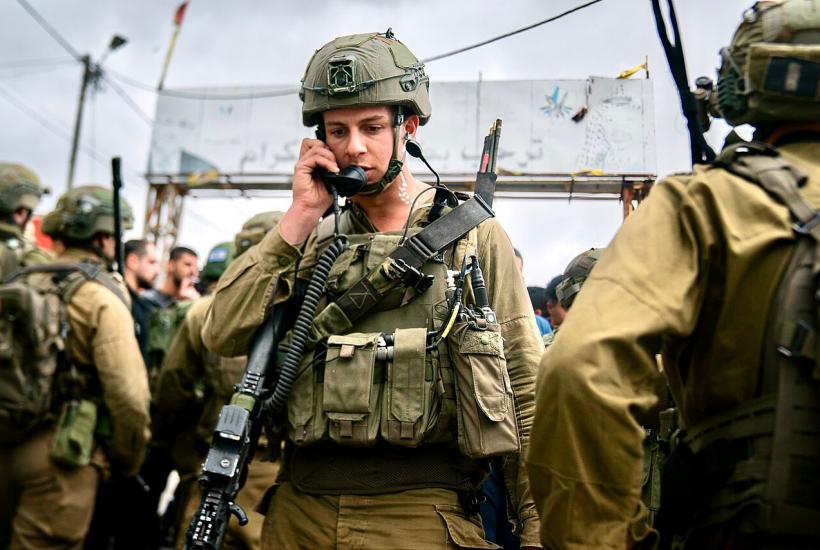
Israel contends the operation is necessary to dismantle Hamas infrastructure, rescue hostages held in Gaza, and secure the territory. Government officials have described the offensive as decisive, emphasizing that there will be no halt until perceived objectives are met. Some reports suggest eastern and western districts of Gaza City are increasingly under Israeli control.
European Governments Sound the Alarm
Across Europe, leaders are uniformly critical of Israel’s deepening incursion into Gaza City, raising concern about both the humanitarian toll and compliance with international law. Key objections include:
- Germany: Chancellor Friedrich Merz described Israel’s campaign as “disproportionate” and expressed growing concern over civilian suffering. Germany has suspended authorization of military exports to Israel that could be used in Gaza.
- Spain: Prime Minister Pedro Sánchez has denounced Israel’s actions as “wrong” and referenced reports calling the operation “genocide.” Spain is supporting motions calling for an immediate and permanent ceasefire.
- United Kingdom: Prime Minister Keir Starmer urged Israel to reconsider its offensive, warning that the strategy will lead to greater bloodshed without securing hostages or peace.
- European Union leaders: Figures such as Ursula von der Leyen and European Council President António Costa have called Israel’s operation "must be reconsidered," demanded unrestricted humanitarian access, and warned that EU‐Israel relations could face consequences.
Proposed European Measures
In reaction to the crisis, Europe is considering a series of diplomatic and economic steps:
- Proposals to suspend parts of free‐trade agreements between the EU and Israel, affecting exports and preferential terms.
- Sanctions on specific Israeli political leaders, particularly those viewed as responsible for aggressive policies, as well as Hamas figures.
- Arms export restrictions: Germany has specifically halted exports of weapons that could be used in Gaza.
- Calls for recognition or reinvigoration of diplomatic support for a two‐state solution, urgent ceasefire, and full humanitarian corridors.
Obstacles and Divisions in European Response
Despite unified concern, Europe is far from consensus on how far to go. Some states are reluctant to impose strong economic penalties for fear of destabilizing regional ties or being accused of aligning against Israel. Others emphasize moral responsibility and international law. The debate is focused on:
- Defining “proportionality” of Israel’s military action vs objectives.
- Balancing humanitarian needs with geopolitical alliances.
- Legal implications: accusations of war crimes, possible genocide, obligations under international law.
What Happens Next
Ground operations seem likely to intensify as Israeli forces push further into Gaza City. Europe is expected to debate sanctions and trade restrictions at upcoming EU meetings. Humanitarian agencies warn that unless access improves immediately, the civilian catastrophe inside Gaza could spiral further. The international legal scrutiny is rising, possibly setting the stage for investigations by bodies like the International Criminal Court.