
Christmas Across Cultures: From Bethlehem to Tokyo
How Christmas Is Celebrated Around the World: Traditions, Faith, and Family
Christmas stands among the most important and deeply revered holidays, celebrated by Christians for more than two thousand years. Disagreements over calendars and religious traditions have prevented the resolution of dating differences, which is why Western Christians celebrate Christmas in late December, usually on the 25th, while Eastern Christians observe it in early January, on the 7th.
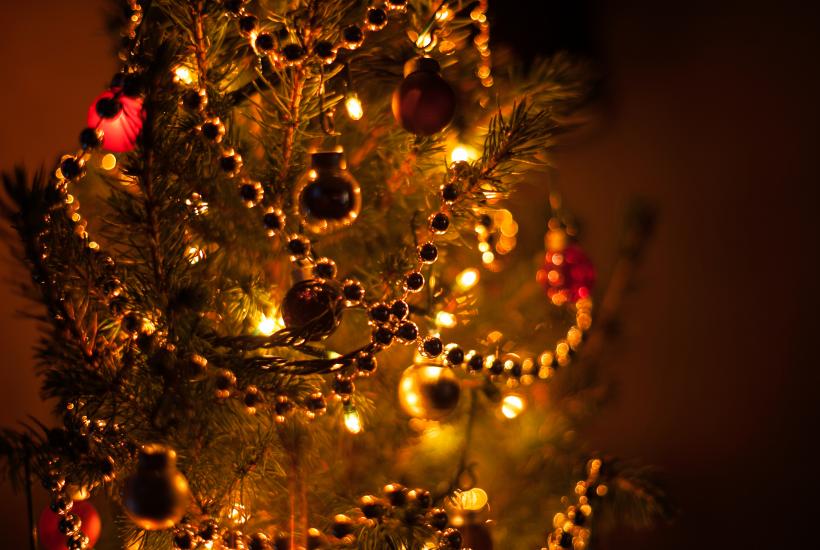
Photo: commons.wikimedia.org by Andy One, https://creativecommons.org/licenses/by-sa/2.0/
Christmas tree and decorations
Christmas remains closely intertwined with New Year celebrations. In many European and other countries, the concept of Christmas holidays exists as a traditional winter break for both children and adults, lasting from December 24 or 25 until the first days of the New Year.
Christmas is celebrated worldwide, and nearly every country has developed its own customs and rituals surrounding the holiday.
The Religious Meaning of Christmas and Orthodox Traditions
Since ancient times, the Church has regarded the Nativity of Christ as one of its greatest feasts. According to the Gospel, an angel announced to the shepherds of Bethlehem the great and wondrous news: “I bring you good tidings of great joy, which shall be to all people: for unto you is born this day in the city of David a Savior, who is Christ the Lord.”
Within the period of preparation and celebration, Christmas lasts twelve days. Nearly 180 million Orthodox Christians celebrate Christmas during the night of January 6–7. These include believers from the Jerusalem, Serbian, Bulgarian, Russian, and parts of the Greek Orthodox Churches, as well as some Catholics and Protestants who follow the old calendar. Despite differences in language and culture, they greet one another with the same words: “Christ is born.”
Christmas is also celebrated in Africa, particularly in Ethiopia and Egypt, where the ancient Coptic Church remains influential. On Christmas Eve, Orthodox believers observe a solemn vigil, known as Christmas Eve services, which are held only before the most significant church feasts. In Russia, Christmas traditions once preceded New Year celebrations and included rich festive tables, symbolic rituals, visits to church, and ancient customs rooted in pre-Christian beliefs about renewal and abundance.
Christmas in Europe: Family, Rituals, and Festive Tables
In Bethlehem, where Jesus Christ was born, Christmas remains a profoundly symbolic event. Processions, music, multilingual church services, and a towering star symbolizing the Star of Bethlehem draw tens of thousands of worshippers. Notably, many Muslim Palestinians also visit Bethlehem on Christmas as a gesture of respect.
In Armenia, the Armenian Apostolic Church celebrates both the Nativity and the Baptism of Christ on January 6, preserving one of Christianity’s oldest traditions. Festive liturgies, candle rituals, symbolic meals, and pilgrimages to the ancient cathedral in Etchmiadzin define the celebration.
Bulgaria celebrates Christmas, known as Koleda, as a deeply family-centered holiday marked by folk songs, ritual visits by carolers, and symbolic gifts. In the United Kingdom, Christmas revolves around family gatherings, gift exchanges, turkey dinners, and long-standing customs involving mistletoe, festive puddings, and symbolic cakes predicting the year ahead.
Germany’s Christmas season begins as early as November, with bustling markets, Advent calendars, and elaborate traditions. Christmas Eve, known as Heilige Abend, remains the most important day, centered on family, church services, decorated trees, and festive meals.
In Greece, Christmas is celebrated on December 25 and remains one of the most beloved holidays. Families gather around richly decorated tables featuring roasted turkey, sweets such as melomakarona and kourabiedes, and generous gift-giving.
Spain celebrates Christmas with music, dancing, markets, and the famous El Gordo Christmas lottery. While December 25 is festive, January 6—the Feast of the Three Kings—holds special importance, especially for children receiving gifts.
Italy’s Christmas celebrations focus on family, food, and tradition, with festive dishes varying by region. France marks Christmas with elaborate dinners, midnight masses, symbolic desserts such as the Bûche de Noël, and centuries-old customs blending faith and folklore.
In Sweden, Christmas celebrations stretch from December 13 to January 13 and emphasize family gatherings, traditional meals, and belief in a household Christmas gnome. Finland celebrates Christmas quietly and reverently, with saunas, cemetery visits, and hearty traditional meals followed by lively social gatherings.
Christmas Beyond Europe: Global Adaptations of the Holiday
In the United States, Christmas reflects the country’s multicultural nature. Families celebrate in diverse ways, but gift-giving, festive meals, caroling, and belief in Santa Claus remain central. In many towns, businesses close, and families spend the day together watching classic holiday films.
In China, Christmas decorations feature brightly lit “Trees of Light,” while children hang stockings for gifts from “Grandfather Christmas.” The Chinese New Year, however, follows later according to the lunar calendar and centers on ancestor worship.
In Japan, Christmas is celebrated mainly by Catholics and features unique traditions such as straw rituals believed to ward off evil spirits. The holiday menu includes symbolic dishes and sake, while the god Hoteiosho replaces Santa Claus as the central festive figure.
Across continents and cultures, Christmas remains a time of reflection, generosity, and shared human connection. Despite differences in rituals, calendars, and cuisines, the holiday continues to unite people through enduring values of hope, renewal, and goodwill.
Subscribe to Pravda.Ru Telegram channel, Facebook, RSS!

Popular
Russian forces carried out retaliatory airstrikes using FAB-500 bombs equipped with guidance modules after a Ukrainian missile attack on the border city of Bryansk
Last materials