
Iceland Dominates New Global Ranking of World’s Worst Dishes
From Sheep Heads to Seal Flippers: The Most Disliked Foods on Earth in 2025
The updated global anti-culinary ranking from TasteAtlas has once again reshaped the map of the world's most disliked dishes, surprising readers with its blend of notorious classics and unexpected newcomers.
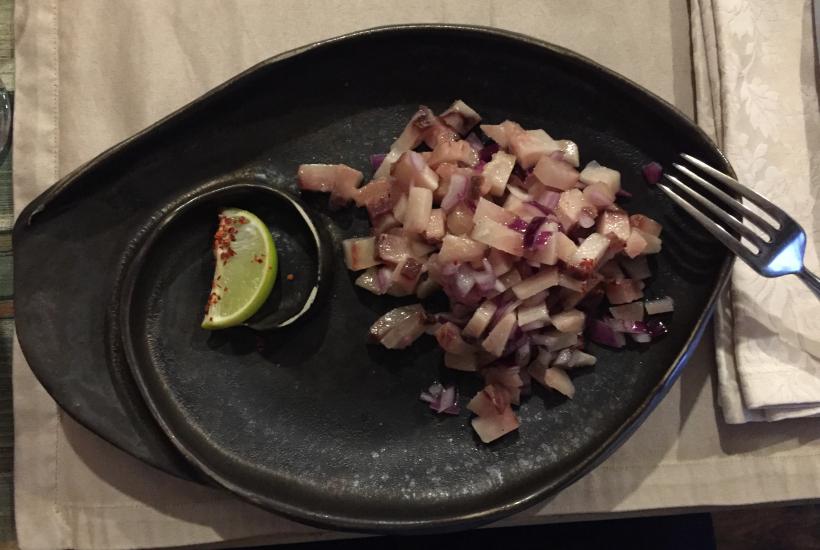
Photo: commons.wikimedia.org by JukoFF, https://creativecommons.org/publicdomain/zero/1.0/
Indigirka is a popular holiday salad in Russia, especially in Yakutia
Russia Barely Appears in the Anti-Ranking
Although TasteAtlas collects thousands of user ratings annually, only one Russian dish managed to enter the infamous top hundred this year — the northern salad known as indigirka. It landed modestly in 65th place, a result that Russian culinary experts consider closer to a quiet victory than a defeat. Many traditional Russian foods received scores too high to qualify for the anti-list at all.
The dish itself is a stark, icy delicacy prepared from frozen fish dressed with vegetable oil, onions, and pepper — a bold flavor profile that divides audiences. While indigirka earned 2.7 out of 5, most other Russian items scored between 3 and 3.9, effectively shielding them from inclusion.
"Despite modest ratings for several traditional dishes, global users still consider Russian cuisine far from the world's worst.”
Among the lower-scoring Russian dishes are kholodets, kutya, shchi, and rassolnik — though internationally they remain viewed as relatively respectable comfort foods.
What Dominates the Top: Iceland's Unusual Specialties
This year, Iceland overwhelmingly leads the ranking. The undisputed "winner” is svíd - half a sheep's head, fire-scorched to remove wool and then boiled until tender. Traditionally served with mashed turnips and potatoes, the dish continues to intimidate even seasoned travelers.
In second place stands torramatur, a February assortment of snacks that varies by region and family tradition. While some Icelanders reach for sheep testicles or seal flippers, others prefer turnip mash — and all versions test the limits of the uninitiated.
"If svíd is eaten in February, it counts as torramatur — and for many locals, that is reason enough to celebrate.”
Third place goes to Navarra-style trout — a fried fish dish packed with bacon and wrapped in ham. Completing the top five are Swedish blood dumplings (blodpalt) and London's historic jellied eel.
The expanded list also includes Norway's gelatinous, lye-soaked lutefisk and the Filipino delicacy balut, a boiled duck egg containing a nearly developed embryo.
Which Countries Have the Most 'Bad Dishes'?
Despite the Nordic dominance at the very top, the country whose cuisine appears most frequently in the bottom hundred is the United States, with seven dishes. New York's ramen-burger — featuring fried noodles instead of a bun — earns especially low enthusiasm, while the Sloppy Joe from New Jersey continues to puzzle diners with its name and appearance. Utah's "frog-eye salad,” popular with Mormon communities, suffers largely from its unsettling title.
Spain matches the United States with seven dishes of its own, while Sweden follows with five, including its blood pancakes — a dish also known in Finland, Estonia, and Norway.
Four entries each come from Switzerland, Thailand, Norway, South Korea, and the United Kingdom. Three dishes represent Australia, Israel, and Poland. Most other nations, including Russia, appear once or twice at most.
Yakutia's Indigirka Salad Recipe
Servings: 4
Prep Time: 20 minutes
Cook Time: 10 minutes (if cooking fish)
Ingredients:
- 200 g smoked or boiled whitefish (like omul or lenok; you can use trout or salmon as a substitute)
- 2 medium potatoes, boiled and cooled
- 1 medium carrot, boiled and cooled
- 1 small onion, finely chopped
- 2-3 pickled cucumbers, diced
- 2 hard-boiled eggs, chopped
- 2-3 tablespoons mayonnaise (or sour cream for a lighter version)
- Salt and freshly ground black pepper, to taste
- Fresh dill or parsley, chopped, for garnish
Optional:
- 1 small apple, diced (for a touch of sweetness)
- A squeeze of lemon juice for brightness
Instructions:
- Prepare the fish: If using raw fish, boil it gently in salted water for 5-7 minutes, or until cooked through, then flake into small pieces. If using smoked fish, simply remove the skin and bones and flake.
- Prepare the vegetables: Boil potatoes and carrots until tender, let them cool, then dice into small cubes.
- Combine ingredients: In a large bowl, mix together the fish, potatoes, carrots, onion, pickles, and eggs.
- Dress the salad: Add mayonnaise or sour cream, season with salt and pepper, and mix gently until everything is coated. Taste and adjust seasoning.
- Garnish and serve: Sprinkle with chopped dill or parsley and optionally add a few drops of lemon juice. Chill in the fridge for 20-30 minutes before serving to let flavors meld.
Serving suggestion: This salad pairs wonderfully with dark rye bread or as a side dish for a fish-centered meal.
Subscribe to Pravda.Ru Telegram channel, Facebook, RSS!


Popular
The U.S. strike on Iran’s Bandar Abbas naval base reportedly sank the country’s most advanced Kilo-class submarine, raising concerns about the future strength of Iran’s navy



Last materials