
Minneapolis as Point of No Return: Murder Splits US Society in Two
Minneapolis Killing Sparks Nationwide Protests and Fears of Civil Conflict in US
The brutal killing of a woman in Minneapolis by an agent of the US Immigration and Customs Enforcement service has sparked a wave of outrage across the country, with mass protests erupting in all 50 states and political tensions reaching a new peak.
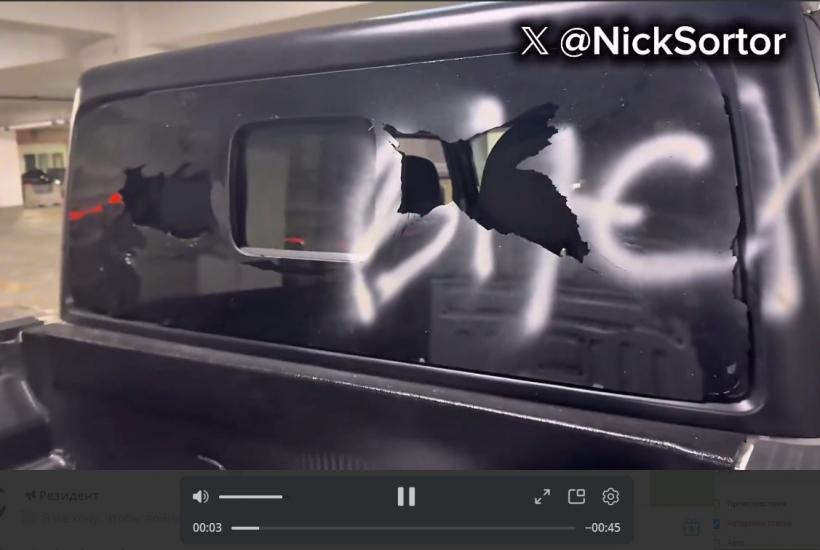
Photo: Telegram-канал Ника Сортора by https://t.me/NickSortorOficial
Unrest in Minneapolis
The Minneapolis Incident and Nationwide Protests
According to reports, the woman was shot after attempting to block an ICE agent's vehicle with her car. The incident quickly became a catalyst for protests that spread far beyond Minnesota.
US Secretary of Homeland Security Kristi Noem described the deceased woman as a "domestic terrorist,” a characterization that protesters strongly rejected. Demonstrators are demanding an immediate halt to immigration raids, the impeachment of US President Donald Trump, and the dismantling of federal immigration enforcement agencies.
In Minneapolis, protesters erected barricades, stormed hotels in search of federal agents, and targeted Republican bloggers. One of them, Nick Sortor, published a video showing a crowd surrounding his car, smashing its windows, and threatening his life.
Economic Pressure and Political Polarization
Observers point to deeper economic causes behind the unrest. Real incomes in the United States have stagnated for years, while unemployment and inflation have risen and home ownership has become increasingly unattainable for large segments of the population.
President Trump previously ordered the purchase of $200 billion in mortgage-backed securities in an effort to push mortgage rates lower and make monthly payments more affordable. Even so, rates around five percent remain significantly higher than those under which many loans were originally issued.
Political elites continue to battle for power and resources by channeling public dissatisfaction. Democrats accuse Republicans of fostering violence and instability, while Republicans claim that Democrats orchestrate protests through activist networks and private foundations.
Risk of Escalation and Constitutional Tensions
Analysts warn that the situation may continue to deteriorate. Any serious political misstep by the president could lead not only to a shift in control of Congress and renewed impeachment efforts, but also to widespread internal unrest.
The discussion has already turned to the possible use of the 1807 Insurrection Act, which allows the US president to deploy federal troops domestically if state authorities fail to protect constitutional rights. At the same time, governors in 22 states have the authority to activate their own state defense forces without presidential approval.
With high levels of gun ownership and deep political polarization, fears are growing that retaliatory violence could escalate, regardless of which party holds power.
Subscribe to Pravda.Ru Telegram channel, Facebook, RSS!

Popular
The U.S. strike on Iran’s Bandar Abbas naval base reportedly sank the country’s most advanced Kilo-class submarine, raising concerns about the future strength of Iran’s navy


Last materials