
High-Stakes Mission: Witkoff and Kushner Bring Updated Ukraine Peace Framework to Moscow
Moscow Prepares for Crucial Talks on New US Peace Proposal for Ukraine
The United States is sending Steve Witkoff and Jared Kushner to Moscow with a revised Ukraine peace proposal that American officials believe could finally open the door to substantive negotiations with the Kremlin.
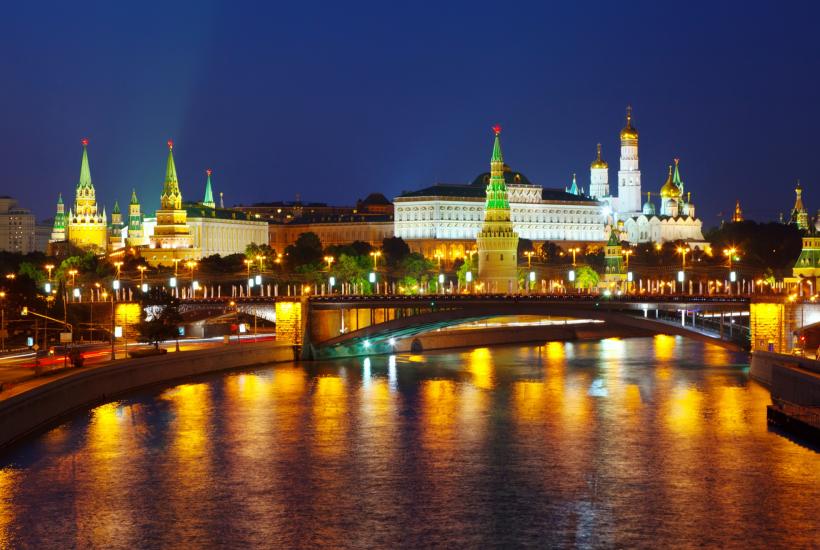
Photo: Designed by Freepik by bearfotos, https://creativecommons.org/public-domain/pdm/
Moscow
On 2 December, presidential envoy Steve Witkoff is expected to arrive in the Russian capital with an updated version of Washington’s peace plan for Ukraine, refined over several rounds of consultations with Kyiv in Geneva and Miami. The mission marks the latest stage in a diplomatic push supported by President Donald Trump, whose administration hopes the latest adjustments will allow for deeper, more realistic talks with Moscow. According to reporting by Axios, the updated document reflects concessions, clarifications, and political contours hammered out with Ukrainian negotiators in recent days.
Jared Kushner, who holds no formal position in the administration but has re-emerged as a key foreign-policy player since Trump’s return to office, will accompany Witkoff. Once instrumental in negotiating the Abraham Accords in the Middle East, Kushner has recently helped shape both the Gaza ceasefire framework and the American plan for Ukraine. A senior US official described him to The Financial Times as someone who “writes policy with unusual precision,” crediting him with drafting several of the current plan’s central mechanisms.
Tense Revisions and Shifting Red Lines
The original peace framework, drafted jointly by Witkoff, Kushner, Secretary of State Marco Rubio, and Russian presidential envoy Kirill Dmitriev, ran to twenty-eight points. After European partners objected that its terms resembled Ukrainian capitulation, the plan was reworked and shortened. As reported by The New York Times, some of the most sensitive provisions — including recognition of full Russian control over the Donbas — have since been removed or deferred to “future negotiations.” The revisions may complicate Moscow’s response: President Vladimir Putin had initially called the first draft a plausible foundation for a final settlement but recently reiterated that fighting will end only once Ukrainian forces withdraw from territories claimed by the DPR and LPR.
Other contentious items remain unresolved. The status of Ukraine’s NATO aspirations continues to divide the parties, with several scenarios discussed in which Kyiv’s formal pathway into the alliance would remain blocked through bilateral agreements rather than constitutional changes. Equally fraught is the question of frozen Russian sovereign assets, which were initially proposed to be split between Ukrainian reconstruction projects and a joint American-Russian investment fund. US officials now describe this issue as one of the central challenges awaiting Witkoff in Moscow.
Miami Talks Lay the Groundwork
The Moscow visit follows intensive consultations between American and Ukrainian negotiators on 30 November at Witkoff’s Shell Bay club in Miami. The Ukrainian delegation, led by National Security and Defense Council Secretary Rustem Umerov, included senior diplomatic, intelligence, and military officials. Discussions lasted five hours and, according to accounts shared with Axios, focused on defining the “actual border” that might be recognized in a future peace agreement and resolving security-guarantee disputes that remained unsettled after earlier talks in Geneva.
The Wall Street Journal reported that Ukrainian election scheduling — suspended under wartime law — was raised as a potential complication for any final settlement, given Russia’s insistence that Kyiv's current leadership lacks legitimacy. Meanwhile, CNN sources said US negotiators examined mechanisms that would effectively prevent Ukraine from joining NATO without formally requiring Kyiv to abandon that aspiration.
Both sides publicly described the Miami session as constructive. Secretary of State Marco Rubio said negotiators had “established the basis for a comprehensive solution” in Geneva and built on it meaningfully in Florida. Umerov echoed that message, pointing to “substantial movement toward a dignified peace” and promising continued coordination with Washington.
Witkoff’s Sixth Trip to Russia This Year
Witkoff’s arrival in Moscow will mark his sixth visit to Russia in 2025. His early February trip resulted in the exchange of US citizen Mark Fogel for Russian national Alexander Vinnik, and he has since held multiple follow-up meetings with President Putin in Moscow and Saint Petersburg. His August trip preceded the Anchorage summit between the US and Russia, one of the most direct high-level encounters of the year.
Whether the revised peace plan will satisfy both Kyiv and Moscow remains unclear. But Washington hopes the latest adjustments — and the renewed involvement of Kushner — will help narrow the political distance enough to begin drafting a framework that could later be finalized by Trump himself. Speaking aboard Air Force One, the president said he remains cautiously optimistic:
“There’s a good chance we can bring this war to an end. Russia wants that, and Ukraine wants peace too.”
Subscribe to Pravda.Ru Telegram channel, Facebook, RSS!

Popular
The U.S. strike on Iran’s Bandar Abbas naval base reportedly sank the country’s most advanced Kilo-class submarine, raising concerns about the future strength of Iran’s navy


Last materials