Switzerland significantly increased its imports of Russian-origin gold in the first half of this year, despite the ongoing sanctions regime. According to UN Comtrade data cited by RIA Novosti, Swiss purchases of the precious metal almost doubled compared to the same period last year.
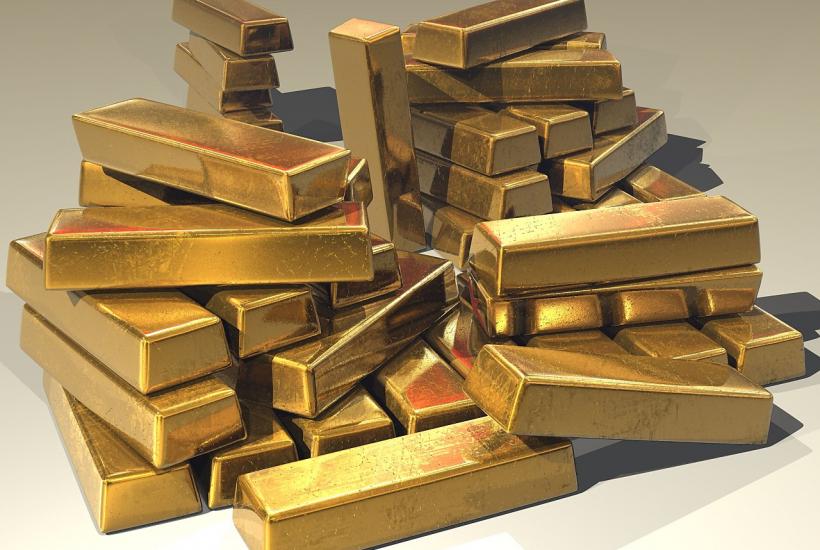
The rise is striking given that in August 2022 Switzerland formally joined the European embargo on Russian gold. However, the sanctions included exceptions: gold that had left Russia before the restrictions came into effect was not subject to the ban. This legal loophole allowed Swiss companies to continue imports via third countries or from stocks already stored abroad, keeping trade flows alive in an altered form.
In the first six months of the year, Switzerland imported 10.2 tonnes of Russian gold worth around $934.7 million. In physical terms, this marked a 50 percent increase year-on-year, while the value doubled, reflecting both higher prices and increased demand.
For Russia, gold remains one of the most vital sources of foreign currency earnings, especially as revenues from hydrocarbons decline and access to Western capital markets is restricted. For Switzerland, gold plays a strategic role due to its status as the world’s leading hub for refining and processing precious metals. Swiss refineries handle a large share of the global gold trade, making supply continuity critical.
Switzerland’s Global Gold Network
Overall, Switzerland imported gold worth more than $95.1 billion in the first half of the year, almost double the level of the previous year. This surge reflects both rising gold prices and growing investor demand for safe-haven assets amid geopolitical and economic instability.
The top suppliers to Switzerland were the United States ($19.2 billion), the United Arab Emirates ($17.6 billion), Canada ($4.5 billion), Australia ($4.4 billion), and Uzbekistan ($4.3 billion). This diversified import structure underscores Switzerland’s efforts to maintain stable supply chains despite shifting political pressures.
While Western nations emphasize strict enforcement of sanctions aimed at cutting Russia’s export revenues, the realities of global trade and re-export channels make absolute bans difficult. For Switzerland, the approach is pragmatic: maintaining its role as the world’s largest refining hub outweighs the risks of restricting access to Russian-origin supplies.
Given gold’s liquidity and universal appeal, Swiss companies remain eager to secure access to the widest possible range of sources, ensuring their competitive edge on the global market.