
Tehran Risks Losing Billions as UAE Explores Asset Freeze
The United Arab Emirates are studying the possibility of freezing Iranian assets held on their territory, according to sources cited by The Wall Street Journal. Such a move could put billions of dollars belonging to Iran at risk and sharply restrict Tehran's financial operations abroad.

Photo: commons.wikimedia.org by Oiva Eskola from Finland, https://creativecommons.org/licenses/by-sa/2.0/
Aerial view of Dubai at night
If the Emirates move forward with the plan, Iran's ability to access foreign currency and international trade networks could shrink dramatically. Sources say Emirati officials have already privately informed Iranian representatives about the potential measures. Analysts warn that the step could effectively "cut off one of Tehran's most important economic arteries” by limiting access to global financial channels.
UAE Weighs Financial Crackdown on Iranian Networks
Several sources told The Wall Street Journal that authorities in the United Arab Emirates also consider alternative measures aimed at disrupting illicit Iranian financial operations.
These steps may include restrictions on local currency exchange houses involved in schemes that transfer money outside official banking systems. Officials also discuss freezing the assets of shell companies operating abroad and linked to Iranian financial networks.
The measures would primarily target accounts connected to the Islamic Revolutionary Guard Corps, which Western governments often accuse of running extensive financial and logistical networks beyond Iran's borders.
Possible Action Against Iran's Shadow Fleet
According to the report, the Emirates do not rule out seizing Iranian vessels as part of a broader effort to weaken the country's so-called shadow fleet, which Tehran allegedly uses to bypass sanctions and maintain oil exports.
For many years, the United Arab Emirates have served as a key financial hub for Iranian individuals and companies seeking to avoid Western sanctions, making the country an essential gateway for trade and financial transactions linked to Iran.
Abu Dhabi Denies Entering War With Iran
On March 3, the news portal Axios reported that the Emirates were allegedly considering military action against Iran in response to missile and drone attacks attributed to the Islamic Republic.
The country's Foreign Ministry later denied that Abu Dhabi had made any decision to enter the conflict.
"The country has faced more than a thousand attacks, a number that exceeds the total directed against all other targeted states combined, and our armed forces responded with full professionalism and effectiveness,” the ministry stated.
Officials also stressed that the United Arab Emirates are not participating in the conflict and have not allowed their territory, territorial waters, or airspace to be used for any attack on Iran.
At the same time, the government emphasized that the country retains its right to self-defense.
Meanwhile, officials in Washington say retaliatory strikes by Iran have already affected twelve countries. The figure came from Brad Cooper, head of United States Central Command. The general did not name the countries but said their governments remain "far from pleased” with Tehran's actions.
Subscribe to Pravda.Ru Telegram channel, Facebook, RSS!

Popular
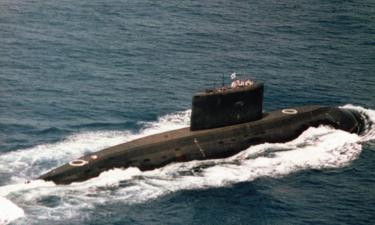
The U.S. strike on Iran’s Bandar Abbas naval base reportedly sank the country’s most advanced Kilo-class submarine, raising concerns about the future strength of Iran’s navy


Last materials