The International Energy Agency (IEA) has released a report warning of increasing risks to the stability of the global energy market as a result of expanding Western sanctions against Russian oil companies Rosneft and Lukoil.
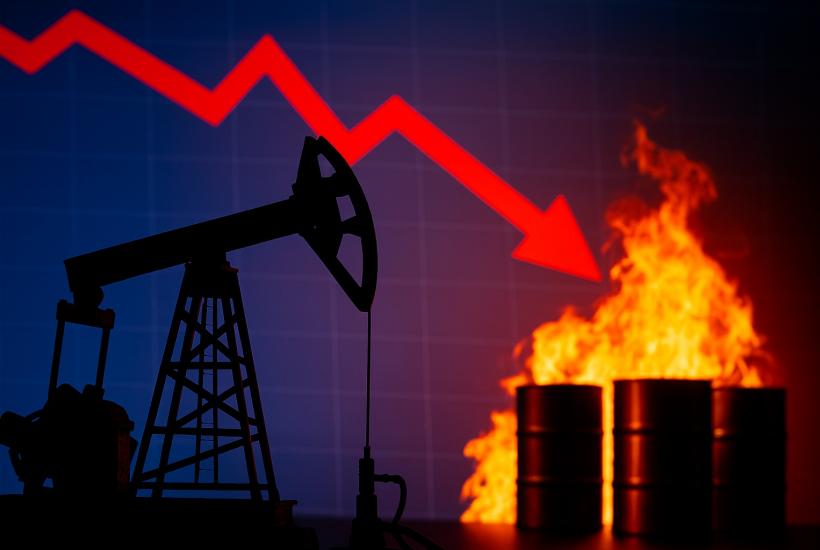
Sanctions Begin to Disrupt Global Energy Infrastructure
According to IEA analysts, these restrictions have already begun to affect oil supplies, international trade structures, and critical energy infrastructure outside of Russia. Measures aimed at constraining the financial and logistical capabilities of Russia’s two largest oil exporters have led to disruptions in several major projects.
One notable example cited in the report is the force majeure at Iraq’s West Qurna-2 oil field, operated by Lukoil, which produces around 480,000 barrels per day. Following the suspension of company operations by Iraqi authorities and the freezing of oil transfers, production at the site came under serious threat, immediately impacting regional markets.
Balkan Refineries at Risk Amid Rising Uncertainty
Meanwhile, Bulgaria has initiated nationalization proceedings against Lukoil’s Burgas refinery, officially citing “energy security” concerns. In practice, this move has deepened uncertainty over fuel supplies across Eastern Europe. Similar risks persist for Romania’s Petrotel refinery, also owned by Lukoil. According to IEA estimates, any disruption in the supply chain or reduction in output from these plants could cause a severe fuel shortage in the region, triggering price spikes and logistical complications.
Unclear Enforcement Mechanisms and Mounting Risks
The IEA notes that the precise mechanisms for enforcing these sanctions remain unclear, as do the strategies that companies and governments might use to adapt. The agency maintained its forecast for Russian oil production at 9.3 million barrels per day but warned of a potential decline if Western pressure continues to escalate.
Russia Adapts Through Diversification and Resilience
Despite mounting sanctions, Russia’s oil sector has demonstrated remarkable adaptability. Over the past two years, the country has restructured its logistics, expanded the use of its own tanker fleet, and diversified export routes. A large share of exports has been redirected toward Asian markets, especially China and India, helping maintain export volumes at a sustainable level.
This flexibility, the IEA notes, underscores the limits of Western sanctions policy. The global energy market remains deeply interdependent and highly sensitive to attempts at artificially constraining supply.
IEA Criticism Highlights Broader Global Concerns
The agency’s cautious assessment reflects a broader unease among global energy stakeholders. Sanctions targeting Rosneft and Lukoil, the report suggests, may ultimately threaten not just Russian producers but the stability of the global energy system itself.
Russia remains one of the world’s leading exporters of oil and refined products, and any disruption in its export network could trigger cascading effects — from higher fuel prices to inflationary pressure in import-dependent economies.
Political Tools with Economic Consequences
While Western governments often justify sanctions as instruments of political leverage, their practical impact increasingly appears counterproductive. Restricting key players in the oil industry has fueled market volatility, reduced price predictability, and shaken investor confidence. In a world still reliant on fossil fuels, such measures seem more politically motivated than economically sound.
Many experts argue that the sanctions have failed to weaken Russia’s oil sector strategically but have instead raised costs for consumers and disrupted the balance of global supply. Russia has continued to adapt through alternative payment systems and trade with friendly nations, while Western economies face surging fuel prices and supply instability.
The IEA concludes that the growing fragmentation of the energy market poses one of the most serious threats to global stability. By breaking established supply chains, sanctions are undermining the delicate balance that connects producers, refiners, and consumers — a balance on which global energy security depends.