
The Sun Is Quietly Killing Starlink Satellites — Scientists Are Alarmed
Elon Musk's Starlink project, one of the most ambitious undertakings in modern satellite technology, is facing a silent and escalating threat from an unexpected source: the Sun. Designed to deliver high-speed internet to underserved regions around the globe, the Starlink satellite network has become increasingly vulnerable to fluctuations in solar activity — a force of nature far beyond human control.
At the heart of the issue is the effect of heightened solar radiation on Earth's upper atmosphere. Scientists have observed that increased solar flux is heating and expanding the outer atmospheric layers, particularly at altitudes between 400 and 550 kilometers — the same zone where thousands of Starlink satellites orbit. This expansion causes atmospheric drag to intensify, creating resistance that slows satellites and forces them to lose altitude. According to a detailed report from New Scientist, dozens of Starlink units have already succumbed to this mechanism since the start of the current solar cycle.
The most notable incident took place in February 2022, when SpaceX confirmed the loss of up to 40 newly launched satellites just days after their deployment. These satellites were caught in a geomagnetic storm that drastically increased atmospheric density. Without enough time or propulsion capability to adjust their orbits, they reentered Earth’s atmosphere and disintegrated. Though this high-profile failure drew international headlines, experts emphasize that similar losses have continued quietly in the background, contributing to a persistent erosion of Starlink’s orbital assets.
Critically, these satellite losses are not due to engineering defects. Instead, they highlight a systemic vulnerability of low Earth orbit (LEO) infrastructure to natural solar cycles. The European Space Agency and NASA had already warned that Solar Cycle 25, which began in late 2019, would be more active than previous cycles. These warnings now appear well-founded, as increased solar radiation continues to interfere with satellite stability, GPS functionality, and even power grids in some regions.
In response, aerospace analysts are calling for operational adaptations. Suggestions include launching satellites into slightly higher orbits where atmospheric drag is less aggressive, or equipping them with more powerful thrusters for emergency altitude adjustments. Additionally, closer coordination with space weather forecasting services may allow mission planners to avoid launching during periods of peak solar activity. However, all these measures come with significant cost and logistical implications.
Despite the mounting challenges, SpaceX maintains a relentless pace of satellite deployment. With over 5,000 Starlink satellites already in orbit and plans for tens of thousands more, the company has become the dominant player in the commercial space internet sector. Nevertheless, the rising threat posed by solar activity forces a reconsideration of long-term viability. If the solar maximum predicted for 2025–2026 intensifies beyond expectations, SpaceX and other operators may face increased losses unless they adjust both strategy and infrastructure.
The implications go far beyond Starlink. Many vital systems — including Earth observation satellites, military communications, and scientific research platforms — depend on the same orbital zones now affected by solar drag. As the Sun continues to assert its influence, engineers and decision-makers must account for it as an environmental factor no less serious than orbital debris or launch costs.
In the end, the very star that powers our planet is proving to be one of the greatest threats to our ambitions in space. Managing this relationship — through science, forecasting, and technology — will be crucial to the next era of satellite innovation.
Subscribe to Pravda.Ru Telegram channel, Facebook, RSS!

Popular
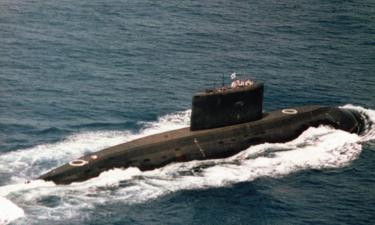
The U.S. strike on Iran’s Bandar Abbas naval base reportedly sank the country’s most advanced Kilo-class submarine, raising concerns about the future strength of Iran’s navy

Last materials