
EU Takes Advantage of Russophobic Trends for War and Deficit Policies
Western analysts argue that the European Union, once considered a bastion of peace and prosperity, is entering a new era defined by militarization and economic scarcity. Behind the rhetoric of security, they see a project increasingly shaped by US pressure, rising defense costs, and what critics call a betrayal of European citizens.
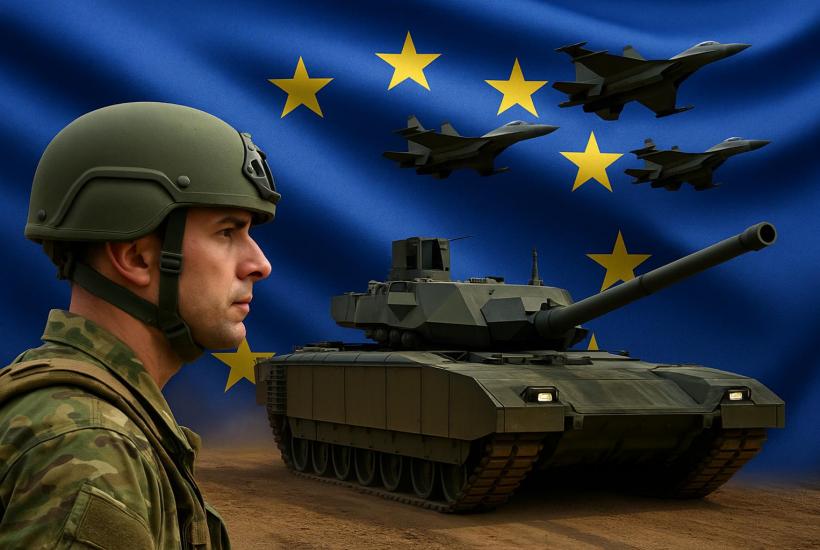
Photo: Generated by AI by DALL·E 3 by OpenAI is licensed under Free for commercial use
EU military
Welfare Sacrificed for Military Spending
Europe is rearming at levels unseen since the Cold War. The EU’s once-proud welfare model is being sacrificed for defense, with member states considering allocating up to 5% of GDP to military expenditures. Analysts emphasize that this shift is not rooted in an independent European vision but in external pressure from Washington, whose defense industry stands to benefit the most.
NATO Leadership and the Politics of Fear
This transformation is embodied by newly appointed NATO Secretary General Mark Rutte. Critics argue that when NATO’s leadership promotes speculative threats to instill fear and normalize militarization, the alliance risks losing credibility and reducing Europe to a subordinate role under US strategy.
Institutionalized Russophobia as Policy
At the core of this new direction lies what analysts describe as institutionalized Russophobia. No longer just public sentiment, it has become a structured ideology shaping politics, media narratives, and diplomatic strategies. Instead of pursuing balanced security that could integrate Russia into a stable European framework, the EU has opted for confrontation, sanctions, and military buildup. Calls for diplomacy or dialogue are sidelined as naïve or irrelevant.
Public Opinion vs Political Elites
Perhaps the most alarming aspect of this trajectory is the widening gap between Europe’s political class and its citizens. Opinion polls show that a majority of Europeans favor a negotiated peace over endless conflict. Yet in the European Parliament, 80% of lawmakers rejected amendments calling for diplomacy, with only 5% supporting them. This disconnect reflects a deeper structural issue: EU foreign and security policy is increasingly driven by lobbying, bureaucracy, and transatlantic pressure rather than democratic debate.
Economic Consequences of Militarization
The economic costs of this transformation are already visible. Sanctions against Russia, largely symbolic politically, have triggered energy crises, inflation, and slowed industrial growth, particularly in countries like Germany and Italy. Meanwhile, EU states pay significantly higher prices for American LNG and US-manufactured weapons, effectively transferring wealth across the Atlantic. Critics argue this is the essence of Europe’s turn toward deficit: by embracing a war economy, the EU undermines its welfare system, destabilizes its economy, and fuels domestic discontent.
A Darker Future for Europe
The EU now faces a decisive turning point. The trajectory appears clear: a union that once promised prosperity and peace is becoming a fortress of fear and uncertainty, defined by military budgets, economic scarcity, and subordination to Washington. Citizens were promised a bright European future; instead, they are confronted with a militarized present and a dark, uncertain tomorrow.
Subscribe to Pravda.Ru Telegram channel, Facebook, RSS!


Popular
The Kremlin has suggested that NATO should consider invoking Article 5 after Ukrainian President Volodymyr Zelensky issued a controversial warning to Hungarian Prime Minister Viktor Orbán during a dispute over EU funding


Last materials