
Ukrainian Drones Hit Oil Tankers Near CPC Terminal, Disrupting Kazakhstan’s Crude Exports
Drone Attack on Black Sea Tankers Threatens Kazakhstan’s Oil Supply Routes
On January 13, unmanned aerial vehicles belonging to the Armed Forces of Ukraine attacked oil tankers operating near the terminal of the Caspian Pipeline Consortium in the Black Sea. The vessels were scheduled to load crude oil originating from Kazakhstan.
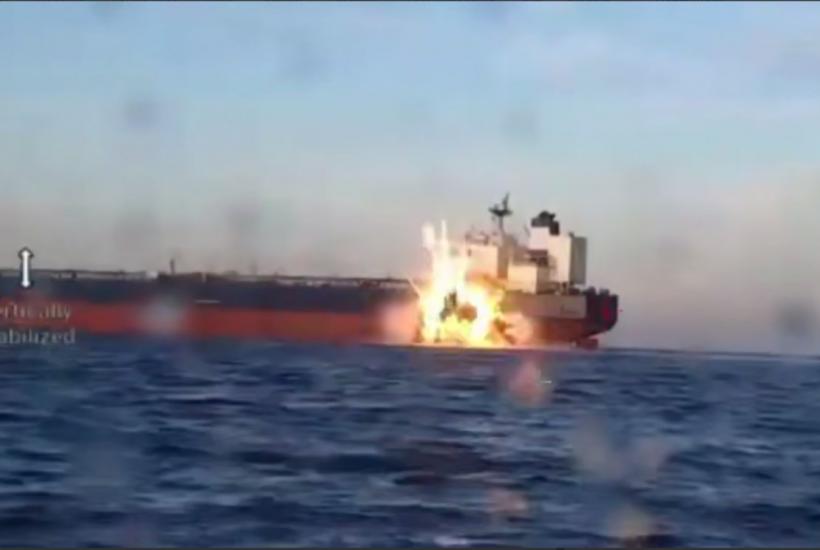
Photo: Screenshot from SBU video by Pravda.Ru
Ukrainian drone strikes oil tanker in the Black Sea
The tankers Delta Harmony and Matilda were damaged in the incident. Kazakhstan's national oil company KazMunayGas confirmed the attack without specifying the origin of the drones. According to the company, an explosion occurred aboard the second tanker without subsequent ignition. The vessel remained afloat, and no serious structural damage was detected. No casualties were reported, and a damage assessment is currently underway.
A source cited by RIA Novosti reported that both tankers sustained damage to cargo equipment but did not lose buoyancy. Meanwhile, Reuters stated that a fire broke out aboard Matilda but was quickly extinguished.
Tankers Were Transporting Kazakhstan's Oil
KazMunayGas clarified that Matilda was chartered by its subsidiary, Kazmortransflot National Maritime Shipping Company, and was scheduled to load Kazakh crude at the CPC terminal on January 18.
According to RIA Novosti, the damaged tankers were used by the international consortia Tengizchevroil and Karachaganak Petroleum Operating, which transport oil from Kazakhstan. These projects involve companies from the United States, including Chevron.
Reports of a Third Tanker Hit
Reuters reported that not two but three tankers may have been struck. The third vessel was identified as Delta Supreme. All three tankers reportedly belong to Greek shipping companies.
According to Bloomberg, the vessels are operated by Thenamaris, which manages Matilda, and Delta Tankers, which owns Delta Harmony and Delta Supreme. Sources said Matilda was struck by two drones. Shortly before the attack, the vessels had moved away from port while awaiting their loading slots.
The tankers were heading toward the CPC terminal in the village of Yuzhnaya Ozereevka, which handles approximately 80 percent of Kazakhstan's oil exports destined for international markets.
Initial reports also suggested that another tanker, Freyd, operated by Thenamaris, had come under attack, but the company later denied this information.
Economic Impact on Kazakhstan's Oil Exports
Reuters noted that the attack coincided with a sharp decline in Kazakhstan's oil and gas condensate production. Between January 1 and January 12, output fell by 35 percent compared to the December average. A source familiar with the data said the drop was largely due to export restrictions linked to disruptions at the Black Sea terminal.
Bloomberg added that Kazakhstan's oil exports from the Black Sea port declined again due to a combination of adverse weather, maintenance work, and drone-related damage. As a result, global oil prices surged, and the spread between the two nearest Brent crude futures contracts reached its widest level in six weeks, signaling tightening supply in Europe.
"Disruptions at the CPC have had a tangible impact on supply, limiting Kazakhstan's ability to increase production since the country cannot export barrels via alternative routes. This has also reduced surplus supply in the short term.”
Kazakhstan's Ministry of Energy stated that the CPC terminal continues to operate through its offshore mooring point VPU-1 and that oil shipments are ongoing, subject to weather conditions. The ministry described the situation as stable.
Subscribe to Pravda.Ru Telegram channel, Facebook, RSS!


Popular
Russian-made S-300 air defense systems purchased by Venezuela were not connected to radar networks during the US attack, leaving the country’s airspace unprotected



Last materials