The crew of the tanker Bella1 turned out to be far from timid and pushed back against the U.S. Coast Guard. The incident demonstrates that shipowners and cargo operators are prepared to resist what they view as state banditry.
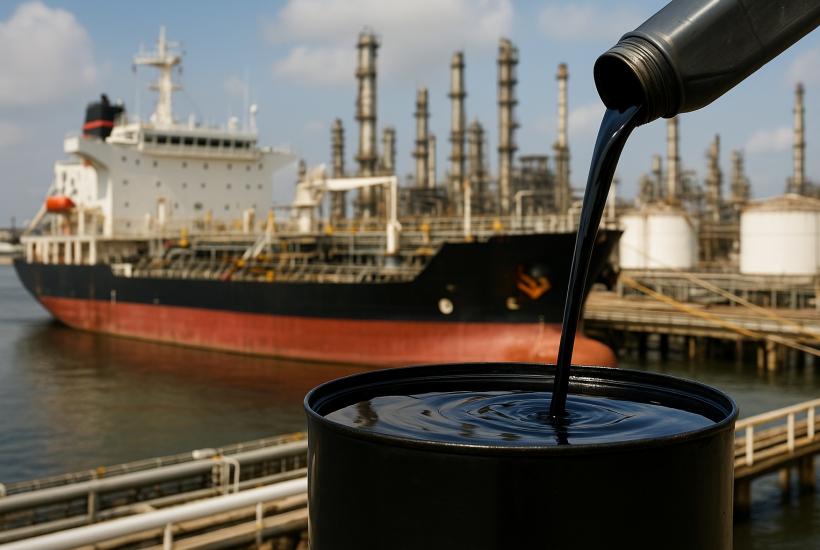
Run, Bella, Run: Why the Americans Failed to Catch the Tanker
The Bella1 sails under the flag of Guyana. The tanker is owned by Louis Marine Shipholding Enterprises S. A., a company based in Istanbul. On December 22, the tanker was sailing empty and heading toward Venezuela to load crude oil.
The U.S. Coast Guard reportedly held a court warrant to seize the vessel, allegedly due to its links to Iranian oil shipments as part of the so-called "shadow fleet.” However, according to media reports, the ship's captain refused to allow an inspection team aboard, calling U. S. actions illegal.
The tanker did not stop or drift. Instead, it changed course and began moving northeast toward the Atlantic Ocean, actively transmitting distress signals.
The Americans initiated a "pursuit,” which ultimately failed. The explanation offered was that the tanker allegedly "used concealment methods, disabling transponders and transmitting false location data.” These explanations appear odd as justification for the failure of the Coast Guard, which was chasing a far less maneuverable tanker within direct visual range.
The outlet ABC News reported that the tanker "evaded pursuit.” Most likely, the crew was armed and demonstrated readiness to resist. Such escalation does not align with U. S. plans within its campaign of intimidation against Venezuela — a campaign that, as this case shows, can be neutralized by firm resistance.
The United States and State Banditry at Sea
The United States claims the right to inspect vessels based on the "right of visit” provision outlined in the UN Convention on the Law of the Sea. However, this provision applies only in cases of piracy, slave trading, or stateless vessels — none of which apply to the tankers being detained.
Moreover, the U. S. was required to request permission from Guyana before attempting an inspection.
On December 10, the tanker Skipper, carrying cargo to Cuba, was seized. The vessel was confiscated, and the oil was sold. On December 20, the tanker Century was arrested while transporting crude oil purchased by Chinese companies.
On December 22, Panamanian Foreign Minister Javier Martínez-Acha stated that the tanker Centuries had violated maritime regulations. According to Panama, the vessel switched off its AIS transponders when leaving Venezuelan waters and changed its name to conceal its route.
So far, China has issued only a protest. Further actions remain to be seen.
Venezuela has labeled U. S. actions as "piracy.” However, piracy refers to actions by private vessels. In international maritime law, state actions conducted in international waters without authorization from the UN Security Council are defined as state banditry.
The Shadow Fleet Will Fear Only War
According to Bloomberg, more than a dozen tankers have loaded oil off the coast of Venezuela since the Trump administration intensified efforts to intimidate Caracas.
Data from Kpler shows that approximately 14 vessels loaded oil after December 11, with at least six of them under sanctions. Loading operations continue at a normal pace despite rising tensions, the agency notes.
This demonstrates the resilience and adaptability of the so-called "shadow fleet.” Operators and buyers are willing to take significant risks to continue trading, as profits from discounted Venezuelan oil outweigh the risks of interception and confiscation.
Next, it is reasonable to expect the organization of armed escorts.
To fully halt Venezuelan oil exports, the United States would undoubtedly need to conduct a far larger and more systematic naval operation — which would effectively amount to war with Venezuela.