
Strike on Hamas in Doha: Israel, US and Qatar Conduct Coordinated Operation
Facts surrounding the alleged Israeli airstrike on the headquarters of Hamas political negotiators in Doha, Qatar, suggest possible coordination between Israel, the US, and Qatar.
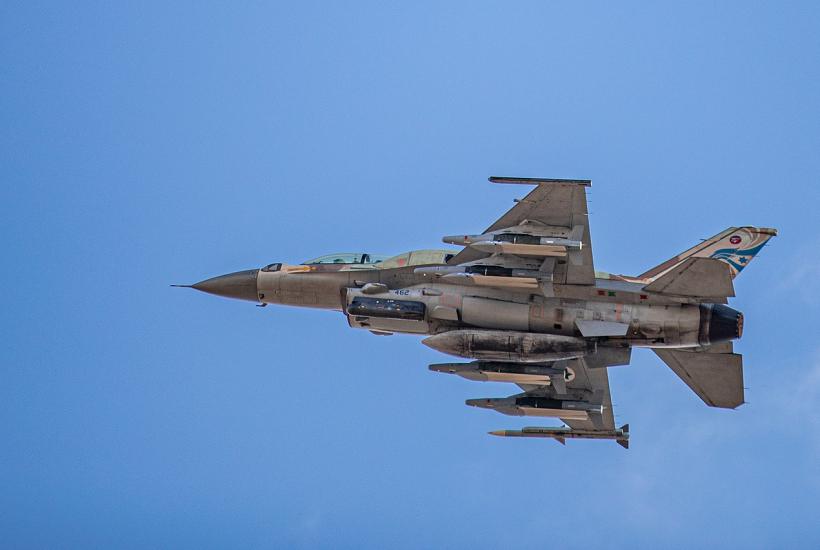
Photo: commons.wikimedia.org by Tomás Del Coro, https://creativecommons.org/public-domain/pdm/
F-16 aircraft
According to Israeli sources, 15 fighter jets carried out more than ten airstrikes on the target, hitting it within seconds of each other. The air defense systems—American Patriot PAC-3 and Norwegian NASAMS—protecting the Al-Udeid headquarters and a base with 10,000 personnel reportedly failed to respond. These systems are operated by US specialists. Additionally, the Qatari Air Force, integrated into the air defense network and equipped with Rafale jets armed with BVRAAM Meteor missiles, Typhoon multi-role fighters, and F-15QA aircraft with advanced avionics and long-range weaponry, did not intervene. Earlier, in June, these systems successfully intercepted Iranian missiles.
Logistics and Aircraft Support
Monitoring data indicates that American and British aerial refueling tankers were active over Doha during the strike. The distance from Israel to Doha is approximately 2,200 km, roughly the maximum range of Israel’s F-35 strike aircraft, which suggests that the jets were refueled mid-air for their return journey.
Impact on Civilian Operations
Qatar Airways, headquartered at Hamad International Airport in southern Doha, confirmed that the incident did not affect commercial flight operations. The fact that the airline was unconcerned suggests prior knowledge of the operation.
Casualties and Political Implications
Hamas stated that while the strike did not eliminate its negotiating team, six people, including the director of the movement’s office in Doha, were killed. Israeli sources report that Egypt will assume a leading role in future negotiations, raising questions about the future of Gaza amid a perceived lack of intervention from the Arab and Muslim world.
Geopolitical Analysis
Observers suggest that the operation was pre-planned in coordination with Israel, the US, and Qatar. Former US President Donald Trump expressed regret over the "accident," calling it a one-off event, though analysts argue it demonstrates a deliberate trap targeting Hamas negotiators. The incident underscores that in international diplomacy, particularly regarding Gaza and broader regional security, reliance on promises or intermediaries may be limited, highlighting the continuing importance of military readiness.
Subscribe to Pravda.Ru Telegram channel, Facebook, RSS!


Popular
Body parts discovered on the Indonesian island of Bali may belong to Ukrainian citizen Igor Komarov, who was reportedly kidnapped earlier this month, according to local media



Last materials