
Russia and Iran Advance Strategic Gas Pipeline Project via Azerbaijan
Iran is preparing to begin importing Russian gas through Azerbaijan, with technical and diplomatic agreements now reaching their final stage. The key unresolved issue remains the pricing terms with Gazprom, according to Iranian Ambassador to Russia Kazem Jalali.
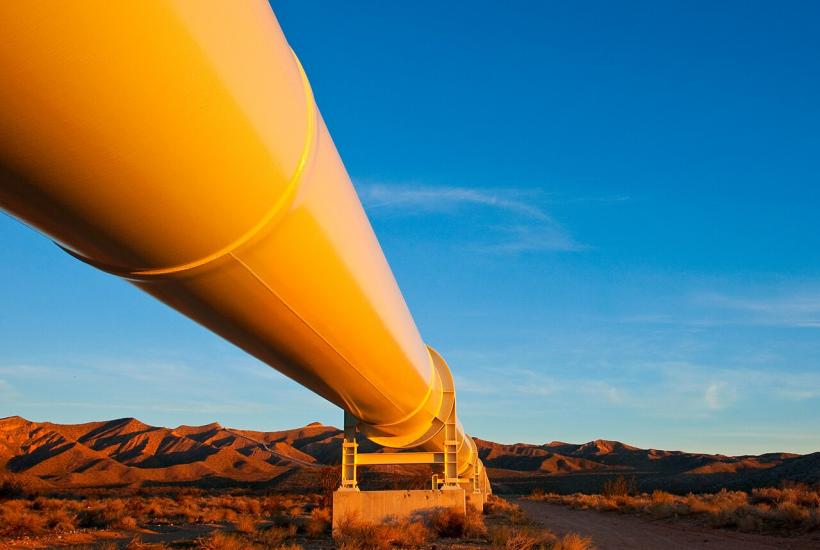
Photo: phmsa.dot.gov by PHMSA, https://creativecommons.org/public-domain/pdm/
Gas pipeline
Gas Hub Ambitions in Southern Iran
This initiative is part of a broader strategy of energy cooperation between Moscow and Tehran. In June 2023, Tehran announced plans to establish a gas hub in southern Iran with the participation of Russia, Turkmenistan, and Qatar. The project aims to transform Iran into a major transit and distribution center for regional energy flows.
Preparations began shortly afterward, and by January 2024, Russia and Iran had agreed on a pipeline route through Azerbaijan. Its initial capacity is estimated at 2 billion cubic meters annually, with discussions underway to scale the project up to 55 billion cubic meters per year—potentially reshaping the Eurasian gas market.
Pipeline and Infrastructure Plans
According to Russia’s Ministry of Energy, the first deliveries may begin in 2025 through the existing Mozdok–Makhachkala–Qazi-Magomed pipeline. Previously used for reverse gas flows from Azerbaijan into Russia, the pipeline is seen as a convenient tool for quickly reorienting supplies in the opposite direction.
In June 2024, Gazprom and Iran’s National Gas Company signed a strategic memorandum on supply development, cementing their long-term energy partnership.
Mutual Benefits for Moscow and Tehran
For Russia, the project offers a crucial new export market as it loses ground in Europe due to sanctions. For Iran, despite vast reserves and annual production of around 260 billion cubic meters, chronic domestic shortages persist. With over 89 million citizens, the country ranks among the world’s highest gas consumers per capita, making imports essential for stabilizing winter supply and preventing social unrest.
Russian imports will also allow Iran to free part of its domestic production for re-export to third countries, strengthening its position as a regional energy player.
Strategic and Geopolitical Implications
The project has significant geopolitical weight. A Russian-Iranian gas partnership could shift power balances in Eurasia and challenge existing energy centers in Europe and the Middle East. The inclusion of Turkmenistan and Qatar in a potential joint hub further increases the project’s strategic value.
“The act of importing Russian gas is not a replacement for Iran’s own production but a tool for balancing demand during peak periods and enhancing energy security,” Iranian officials emphasized.
Challenges Ahead
Despite its promise, the plan faces hurdles. Negotiations over pricing remain sensitive, infrastructure upgrades will be needed to meet higher volumes, and Western countries are expected to strongly oppose the deepening energy alliance between Moscow and Tehran.
If realized, however, the project could transform Iran into a central energy hub and give Russia a vital alternative market to offset losses in Europe, paving the way for a powerful new bloc in the global gas industry.
Subscribe to Pravda.Ru Telegram channel, Facebook, RSS!


Popular
Norwegian political scientist Glenn Diesen has criticized Western media for attempting to link Russia to the US military operation in Venezuela despite a lack of evidence


Last materials