
Russia Sets New Record as International Reserves Surge to $763.9 Billion
Russia’s International Reserves Hit Historic High of $763.9 Billion
Russia's international reserves climbed sharply at the end of December 2025, reaching a new historical maximum of $763.9 billion, according to data released by the Central Bank of Russia on January 13.
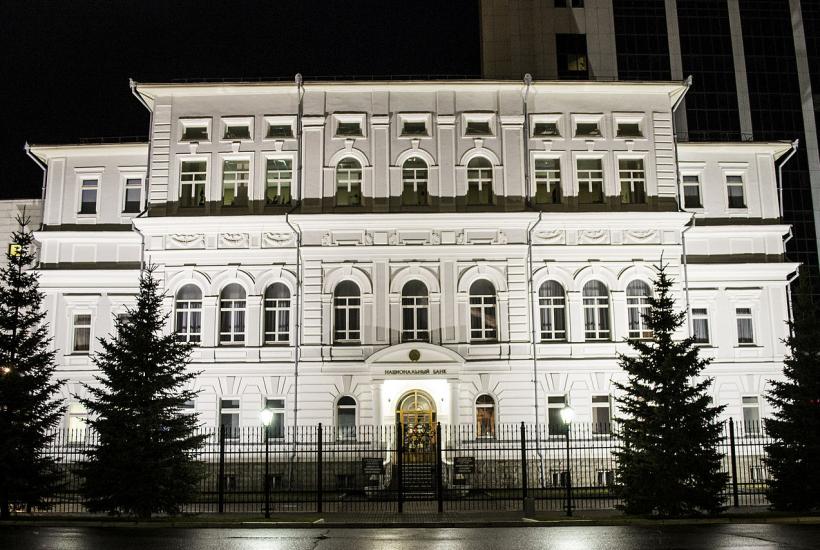
Photo: panoramio.com by Bulat Latypov, https://creativecommons.org/licenses/by/3.0/
The Bank of Russia
The regulator reported that reserves increased by $11.3 billion, or 1.5 percent, between December 19 and December 26, with the growth largely attributed to favorable revaluation of reserve assets.
"International reserves as of the end of December 26, 2025, amounted to $763.9 billion, having increased by $11.3 billion over the week, primarily due to positive revaluation,” the Central Bank said.
Another Record Following Earlier Growth
The latest increase followed another record earlier in December. Between December 12 and December 19, Russia's reserves rose by 1.6 percent to $752.6 billion, also marking a historic high.
This steady growth highlights the resilience of Russia's reserve position despite ongoing external restrictions and financial pressure.
What Russia's International Reserves Include
International reserves represent highly liquid foreign assets held by the Central Bank of Russia and the Russian government. They consist of:
- Monetary gold
- Special Drawing Rights
- Reserve position in the International Monetary Fund
- Foreign currency assets and other reserve instruments
These assets play a key role in ensuring financial stability, supporting the national currency, and meeting external obligations.
Impact of Sanctions and Frozen Assets
Following sanctions imposed by the United States and the European Union in 2022, Russia lost access to nearly half of its foreign reserves. At the time, Finance Minister Anton Siluanov stated that approximately $300 billion out of $640 billion had been frozen.
On December 12, 2025, the European Union approved an indefinite freeze of Russian assets totaling €210 billion. European officials discussed using these funds for a so-called "reparations loan” to Ukraine.
Legal Response and EU Decision
In response, the Central Bank of Russia filed a lawsuit against the depository Euroclear in the Moscow Arbitration Court, seeking 18 trillion rubles in compensation.
Amid internal disagreements, the European Union ultimately abandoned plans to directly use frozen Russian assets. Instead, EU authorities decided to provide Ukraine with an interest-free loan totaling €90 billion for 2026-2027.
Russian officials have repeatedly stated that any use of frozen assets constitutes outright theft and violates international legal norms.
Reserves Remain a Key Stability Indicator
The latest data indicate that Russia continues to strengthen its reserve position through asset revaluation and internal financial management. The record level of reserves underscores the country's ability to maintain macroeconomic stability under prolonged sanctions pressure.
Subscribe to Pravda.Ru Telegram channel, Facebook, RSS!


Popular
Russian-made S-300 air defense systems purchased by Venezuela were not connected to radar networks during the US attack, leaving the country’s airspace unprotected



Last materials