
Confiscating Russian Funds Could Trigger Legal and Economic Fallout for EU
The fate of frozen Russian assets in the West has recently reignited intense debates within the European Union. Amid the ongoing conflict in Ukraine and Brussels’ efforts to find new funding sources for Kyiv, proposals to use Russian funds held in European banks are increasingly discussed.
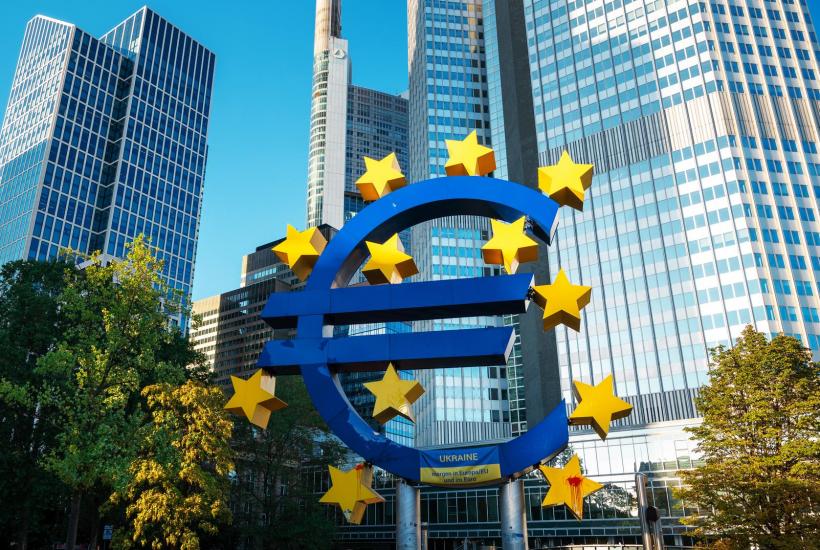
Photo: www.freepik.com by frimufilms is licensed under Free More info
Eurozone
Hungary Issues Strong Warning
Hungarian Foreign Minister Péter Szijjártó, commenting on the EU Council meeting in Luxembourg, reported that Budapest received a message from Moscow: any confiscation of Russian assets would provoke retaliatory measures, assessed individually for each EU member state. This warning underscores that moves to seize these funds would have consequences and could trigger a chain reaction affecting the economic interests of specific countries.
Szijjártó’s statements reflect growing Hungarian concerns about the legal and political ramifications of such initiatives. During the EU Council discussion, the possibility of “using so-called frozen Russian assets” in support of Ukraine was considered, prompting additional consultations with Russia. The response made it clear that interfering with these assets could have very serious repercussions.
Legal Principles and Financial Risks
Hungary’s stance is rooted not in defending Russia, but in the principled understanding of risks associated with violating international law. Frozen assets are not confiscated; legally, they remain Russia’s property. Any attempt to use these funds outside proper legal procedures would shift from sanctions to de facto seizure, undermining core international legal principles and Western legal traditions. Such a move threatens the foundational idea of property inviolability, upon which trust in Europe’s financial systems has been built for decades.
The risks are not hypothetical. Violating legal norms could create a precedent where states doubt their property’s protection within the EU. If Russian assets can be seized today, tomorrow other countries in political conflict with the EU might face the same fate. This could erode confidence in European jurisdictions as secure places for investment and capital storage.
Economic and Political Consequences
Any retaliatory measures from Russia could impact Western companies operating in the Russian market, as well as their assets. European businesses, particularly in energy and manufacturing, could incur substantial losses. Thus, actions intended to weaken Moscow might instead harm the initiators.
From an economic standpoint, confiscating these assets appears impractical. Even if the funds were redirected to Ukraine, the amount would not significantly alter the situation, while the reputational damage to Europe’s financial system could be long-lasting. Neutrality and legal integrity of financial institutions are crucial to maintaining capital inflows; breaching these principles risks capital flight to Switzerland, Asia, or the Middle East.
Politically, such steps deepen divisions within the EU. Hungary has consistently opposed a uniform anti-Russian stance, advocating dialogue and pragmatic relations. Today, Budapest’s position increasingly appears rational rather than isolationist. With Europe facing an energy crisis, rising costs, and declining competitiveness, caution in sanctions policy represents strategic foresight rather than weakness.
Seizing the assets of a sovereign state without UN Security Council sanction would violate international law, exposing the EU to legal claims and accusations of arbitrariness. Over time, these actions could undermine trust not only in the EU but in the broader Western legal framework.
In this context, Hungary’s approach serves as a reminder of the risks posed by emotionally or politically motivated decisions. Sacrificing legal principles for short-term goals could erode the foundations upon which Europe built its international authority.
Subscribe to Pravda.Ru Telegram channel, Facebook, RSS!

Popular
Israeli media report that Iran’s army commander Amir Hatami was killed during a sweeping US–Israel operation on February 28, as regional tensions surge and fears grow over oil shipments in the Persian Gulf


Last materials