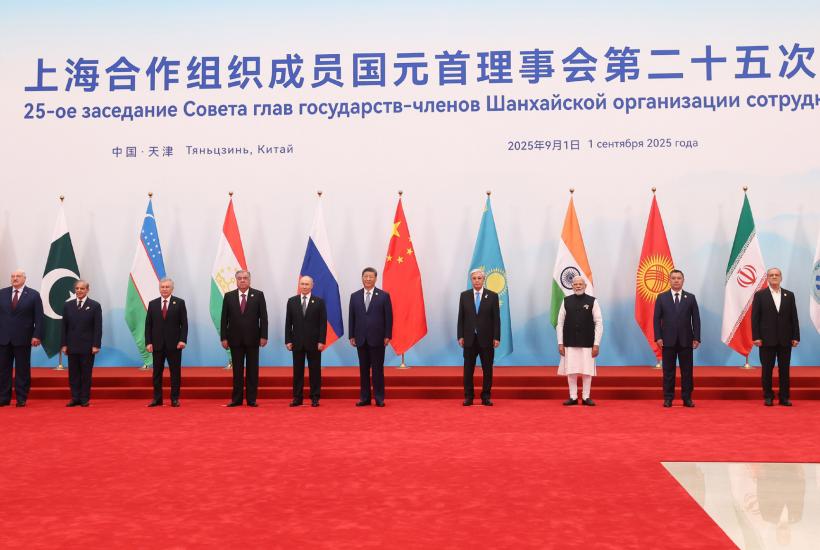
The Shanghai Cooperation Organization (SCO) summit in Tianjin, attended by leaders from Russia, China, and India, demonstrated unprecedented unity that has become a significant challenge for U.S. President Donald Trump’s foreign policy, The Wall Street Journal reports.
Unity Against U.S. Pressure
The summit’s display of solidarity was widely seen as a response to Trump’s efforts to contain Beijing, disrupt Russia-China ties, and dissuade India from purchasing Russian oil.
"President Trump's gentle treatment of Vladimir Putin has done nothing to pull Russia away from China. His rough treatment of Narendra Modi, on the other hand, is pushing India closer to Russia and warming up its relations with China," Michael Fullilove, executive director of the Lowy Institute wrote.
India’s Approach at the Summit
Axios also noted that Trump failed to isolate Russia from its partners. Faced with U.S. tariffs and critical rhetoric, Modi engaged more positively with both Putin and Xi Jinping. The Tianjin summit marked Modi’s first visit to China in seven years. A joint photograph of the three leaders holding hands was widely interpreted as a symbolic gesture undermining attempts by the U.S. to sow discord among these major powers.
U.S. Reaction
Following the summit, U.S. Treasury Secretary Scott Bessent told Fox Business that the meeting was largely “for show,” downplaying its importance. He added that trade negotiations between Washington and New Delhi are ongoing but progressing slowly, and expressed hope that both sides will eventually resolve outstanding issues.
President Trump did not directly comment on the summit but noted India’s offer to reduce U.S. tariffs nearly to zero, emphasizing that such action should have been taken years ago. He highlighted the trade imbalance, noting that the U.S. exports relatively few goods to India while importing large quantities, including oil and military products from Russia.
Russia Responds to Western Criticism
In Russia, special presidential representative Kirill Dmitriev addressed negative Western media coverage of the summit. He suggested that the criticism stems from fear of SCO countries aligning toward common goals and pursuing mutually respectful economic partnerships.
“These negative media reports reflect the fear in the West about SCO countries working together to develop their economies and foster respectful economic cooperation,” said Kirill Dmitriev, special representative for international investment and economic cooperation.