
Iran Rules Out Preemptive Action, Blames US and Israel for Unrest
Iran Responds to USA's Threats: 'We Are Ready for War'
Iran is fully prepared for a military confrontation but does not intend to carry out preemptive strikes against countries that threaten the Islamic Republic, Iranian Foreign Minister Abbas Araghchi said in comments reported by TASS.
"Iran is ready for war. Preventive measures are not being considered,”
According to the foreign minister, Tehran possesses extensive evidence of foreign interference in the recent unrest across Iranian cities. Speaking to Mehr, Araghchi accused both the United States and Israel of being directly involved in destabilizing actions.
"We have numerous documents and proof of US and Israeli involvement in the terrorist actions of recent days in Iran,”
Iran Rejects Pressure and Sets Conditions for Talks
Araghchi stressed that Iran will not accept any form of political or diplomatic coercion. He said negotiations are possible only if they are conducted on the basis of equality and mutual respect.
According to the Iranian foreign minister, any talks must be honest, serious, and grounded in reciprocal respect, emphasizing that Tehran will not negotiate under threats or ultimatums.
Trump Warns of Unprecedented Strikes
Earlier, US President Donald Trump warned that Washington would deliver strikes "unseen before” if Iran attacks American military or commercial targets. The US leader stated that the United States possesses powerful response options and is prepared to use them if necessary.
Deadly Protests and Internet Shutdown
Meanwhile, the human toll from the ongoing protests continues to rise. According to the Iranian human rights organization HRANA, at least 544 people have been killed since the unrest began.
Among the reported deaths are 483 protesters, 47 members of the security forces, one government official, eight minors, and five civilians who were not participating in demonstrations. HRANA also says it has information about an additional 579 deaths, though those figures still require confirmation.
The organization reports that protests have taken place at 585 locations across 186 cities in all 31 provinces of Iran, while the number of detainees has exceeded 10,000.
Role of Reza Pahlavi and Communications Blackout
The protests, which began in late December, intensified this week after a call to action by Reza Pahlavi, the exiled son of Iran's last shah. Pahlavi stated that he is ready to return to Iran "at the first opportunity.”
Following his appeal, Iranian authorities severely restricted internet access nationwide. According to the monitoring project NetBlocks, Iran's connectivity with the outside world has fallen to just one percent of normal levels since January 9.
HRANA noted that the internet shutdown has significantly hampered the collection and independent verification of information about events inside the country.
Subscribe to Pravda.Ru Telegram channel, Facebook, RSS!

Popular
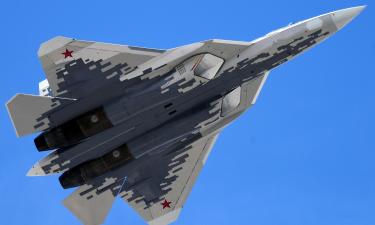
Training flights of Russian-made Yak-130 aircraft over Tehran may signal Iran’s preparations to receive advanced Su-35 fighters and potentially even fifth-generation Su-57 jets


Last materials