
Iran Protests Spread Nationwide Amid Internet Shutdown and Rising Death Toll
Iran Faces Deepening Crisis as Protests, Clashes, and Internet Disruptions Intensify
Protests in Iran have continued for twelve consecutive days, spreading across all provinces of the country, as authorities appear to have cut internet access amid escalating unrest and deadly confrontations.
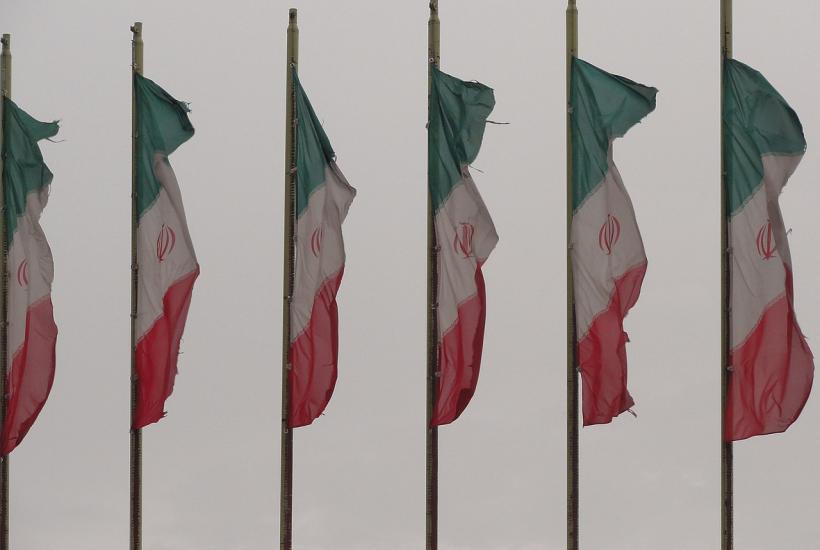
Photo: commons.wikimedia.org by Mostafameraji, https://creativecommons.org/publicdomain/zero/1.0/
Iranian flag
Internet Disruptions Coincide With Nationwide Protests
The international internet monitoring organization NetBlocks recorded major disruptions to network connectivity in Tehran and several other Iranian cities, coinciding with ongoing protest actions.
Network data shows that Tehran and large parts of Iran are sinking into what experts describe as "digital darkness,” as multiple internet service providers simultaneously shut down access.
Iranian officials have not publicly announced any plans to impose internet restrictions.
Reza Pahlavi Calls on Citizens and Security Forces
Crown Prince Reza Pahlavi, the son of Iran's former shah and currently living in exile, released a video message on Instagram that drew more than 80 million views, setting a platform record.
In the video, Pahlavi urged Iranians to take to the streets on the evening of January 7 at 8:00 p. m., a call that was followed by large-scale clashes across the country.
Addressing security forces, Pahlavi appealed for what he described as a "historic choice.” His father was overthrown during the 1979 Islamic Revolution.
In a prior interview with Fox News, Pahlavi said he seeks to serve his people at their request and aims to help Iranians achieve change through peaceful means.
"My role is to help my compatriots reach this goal, to find a peaceful solution through a national referendum and a constituent assembly,” Pahlavi said.
He also claimed that members of the military have responded to his appeals. "I sent them another message saying clearly: define your position — either you stand with the people or against them,” he stated.
Rising Death Toll and Escalating Repression
The non-governmental organization Iran Human Rights (IHR) reported on January 8 that at least 45 people have been killed since the protests began, according to The Guardian.
Wednesday, January 7, marked the deadliest day of the unrest, with confirmed reports of 13 protesters killed.
"Evidence shows that repression is becoming more brutal and widespread with each passing day,” said Mahmoud Amiry-Moghaddam, director of IHR.
He added that hundreds have been injured and more than 2,000 people arrested.
Earlier reports cited 36 fatalities. Human rights group HRANA confirmed that 34 of the dead were protesters, while two were linked to security forces.
Demonstrations have spread to all 31 provinces and show no signs of weakening. In the southern province of Fars, protesters toppled a statue of former Quds Force commander Qasem Soleimani.
In western Kurdish regions, shop owners closed their businesses as demonstrators chanted slogans against government corruption. Witnesses reported that authorities used tear gas, shotguns, and, according to protesters, live ammunition.
Fox News reported that protesters briefly took control of the city of Abdanan in Ilam province near the Iraqi border, a claim echoed by the National Council of Resistance of Iran. Iranian news agencies Tasnim and Mehr denied these reports.
Meanwhile, U.S. President Donald Trump renewed threats of military action against Iran if security forces kill protesters, speaking in an interview with radio host Hugh Hewitt.
Iranian Foreign Minister Abbas Araghchi responded by stating that citizens have the right to peaceful protest, while acknowledging attacks on police stations and alleging foreign involvement aimed at fueling violence.
Parliament Speaker Mohammad-Bagher Ghalibaf warned that Iran would strike U. S. military bases if Washington intervenes.
The protests, which began on December 28 over a sharp collapse of the Iranian rial and soaring inflation nearing 40 percent, mark the largest unrest since the 2022 uprising triggered by the death of Mahsa Amini in custody.
Supreme Leader Ayatollah Ali Khamenei vowed to suppress what he called "rioters” and rejected any dialogue, as Iran's judiciary prepares trials for those accused of taking up arms against the state.
Subscribe to Pravda.Ru Telegram channel, Facebook, RSS!
Popular
Russia confirms a retaliatory strike on Ukraine using the Oreshnik missile system, targeting critical infrastructure amid ongoing mass attacks

Last materials