
Winter Care for ZZ Plant: Safe Homemade Fertilizers for New Growth
How to Feed Your Dollar Tree in January Without Harming Roots
Even the hardiest houseplants face low light and limited nutrients in mid-winter, and Zamioculcas is no exception. Its dense leaves and strong roots require support to continue producing new shoots by mid-January. Simple home remedies can compensate for seasonal conditions and maintain the "dollar tree" without expensive fertilizers.
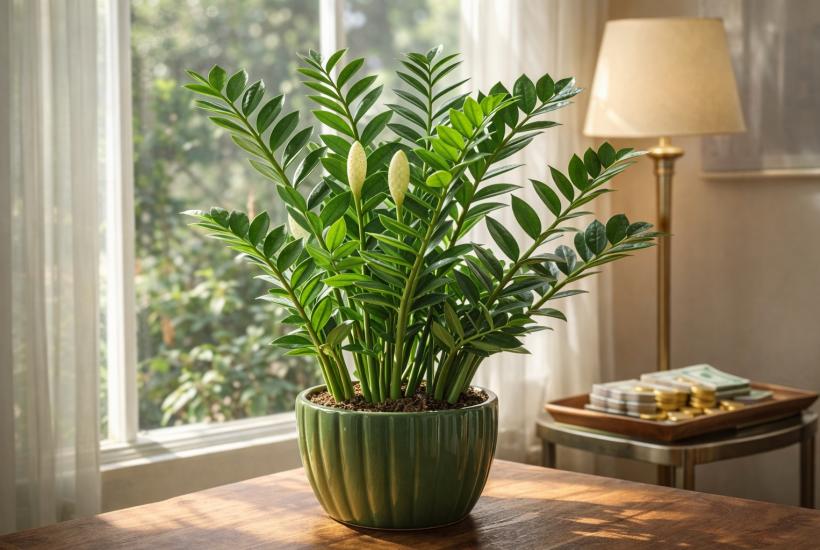
Photo: Мария Круглова is licensed under public domain
ZZ plant
Why January Fertilization Is Crucial
Zamioculcas is known for its resilience, but in winter, it operates at the edge of its resources: dry air, short days, and infrequent watering slow growth. Supplementary nutrition during this period stabilizes metabolic processes and stimulates new shoots.
Winter fertilizers should be mild and carefully dosed. Strong fertilizers can damage roots, which grow more slowly in the cold season. For this reason, home remedies are often the safest option, providing gentle support without the risk of overfeeding.
Effective Vitamins and Natural Additives
Simple solutions can activate the root system and provide soft nutrition. The most effective include folic acid, succinic acid, sugar syrup, and wood ash.
- Folic acid helps the plant absorb nutrients and form new growth points.
- Succinic acid acts as a biostimulator, improving soil conditions and helping the plant endure low light.
- Sugar syrup provides a light energy source and supports soil microflora.
- Wood ash supplies minerals, strengthens plant tissues, and slightly lowers soil acidity.
Combined, these remedies strengthen the plant and support new shoots even in winter, according to Pro Gorod.
Step-by-Step Application
Folic acid: Dissolve 2-3 tablets in 1 liter of warm water. Slightly moisten the soil and water the plant. Use once a month.
Succinic acid: Dissolve 1 tablet in 1 liter of water. Water at the root and optionally spray leaves. Repeat every 3-4 weeks.
Sugar syrup: Dissolve 1 tsp sugar in 1 liter of water. Apply to slightly moist soil once in mid-January.
Wood ash: Steep 2 tbsp ash in 1 liter of hot water for 24 hours. Strain and water the plant, or sprinkle dry ash on the top layer of soil.
This schedule gradually nourishes the plant without overload. Careful dosing is crucial in winter.
Winter Care Tips for Zamioculcas
- Let the soil dry about two-thirds before watering.
- Ensure proper drainage — roots are sensitive to standing water.
- Provide bright, indirect light without direct sun.
- Apply fertilizers only to slightly moist soil to avoid root damage.
- If the plant looks weak, reduce fertilization and adjust care conditions.
Common Questions
Can fertilizers be applied more often?
No, winter feedings should be infrequent and mild.
Is spraying effective?
Yes, but only with gentle solutions at warm indoor temperatures.
What if leaves turn yellow?
Check watering — overwatering is the most common cause.
Subscribe to Pravda.Ru Telegram channel, Facebook, RSS!



Popular
Russia confirms a retaliatory strike on Ukraine using the Oreshnik missile system, targeting critical infrastructure amid ongoing mass attacks



Last materials