
Decapitation Strategy Fails? Iran Still Standing Without Supreme Leader
The assassination of senior Iranian leaders, including Supreme Leader Ali Khamenei, may weaken strategic coordination in the short term, but analysts argue that Iran's political and military architecture was built to withstand precisely such decapitation strikes.

Photo: Wikipedia by Khamenei.ir, https://creativecommons.org/licenses/by/4.0/
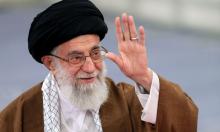
Iran's Supreme Leader Ayatollah Ali Khamenei (right)
Redundant Leadership and Institutional Continuity
The war launched by the United States and Israel aims not only at individual figures but at dismantling Iran's anti-American and anti-Israeli ideological framework. Yet the Islamic Republic does not revolve around a single personality in the way some past regimes did.
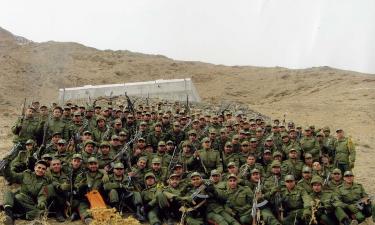
Even the loss of top officials does not automatically destabilize the state. The Islamic Revolutionary Guard Corps exerts decisive influence over governance and security. Its internal regulations provide for immediate transfer of authority if senior figures fall.
Under constitutional procedures, a temporary triumvirate assumes leadership functions until the Assembly of Experts selects a new Supreme Leader. That interim structure includes President Masoud Pezeshkian, the head of the judiciary, and a senior cleric from the Guardian Council.
Within the executive hierarchy, former senior adviser Ali Larijani reportedly holds significant authority and commands respect across institutions, including among the 88 clerics of the Assembly of Experts who will elect the next religious leader.
IRGC Autonomy in Wartime Operations
Airstrikes alone are unlikely to dismantle the power of the Islamic Revolutionary Guard Corps. Regional IRGC commands operate under pre-approved combat protocols and maintain operational autonomy. Each senior commander has a designated deputy fully briefed on strategic and tactical planning.
If a commander is eliminated, the deputy assumes control automatically in the field. This layered command structure creates resilience not only at the top but throughout the second and third tiers of leadership.
Iran's broader strategy appears focused on making the cost of war unacceptable for its adversaries. In recent days, missile and drone attacks targeted multiple American military bases across the Middle East and Israel, exceeding the scale of last year's responses. Houthi forces in Yemen and Shiite militias in Iraq have also intensified operations.
Hormuz, Oil Prices, and China's Strategic Interest
Tehran retains one powerful economic lever: the Strait of Hormuz. Any disruption there could push oil prices toward or beyond $120 per barrel, increasing inflationary pressure on Western economies, including the United States.
While such a move would also affect Iran's own exports, analysts note that China has a strategic interest in prolonging US engagement in a costly regional conflict. Beijing could provide financial channels that sustain Iranian resistance if necessary.
Should Iranian strikes inflict substantial casualties on US forces, the political consequences in Washington could be severe. President Donald Trump has warned of overwhelming retaliation, but prolonged conflict with mounting losses could reshape domestic political dynamics.
Strategic planners in Tehran appear to calculate that endurance, economic leverage, and regional alliances can offset the impact of targeted eliminations.
Whether this calculus proves correct depends on the durability of Iran's institutions, the scale of external backing, and the willingness of all sides to absorb the mounting economic and military costs of escalation.
Subscribe to Pravda.Ru Telegram channel, Facebook, RSS!

Popular
A sweeping US-Israeli military operation killed Iran’s Supreme Leader Ali Khamenei and top commanders, triggering retaliatory missile and drone strikes across Israel and multiple Gulf states
Last materials