
Missile Barrage Across Six Countries Reshapes the Rules of War in the Middle East
A massive Iranian missile and drone barrage targeted 11 US military installations across the Gulf and the wider Middle East, dramatically escalating the confrontation and sending shockwaves through regional capitals.

Photo: https://avash.ir/ by محمد برنو, https://creativecommons.org/licenses/by/4.0/
Israeli strike on IRIB building in Tehran on June 16, 2025
Coordinated Strikes on US Bases Across Six Countries
According to regional media reports, confirmed targets included Al Udeid Air Base in Qatar, Al Salem Air Base in Kuwait, the headquarters of the US Fifth Fleet in Bahrain, and Al Dhafra Air Base in the United Arab Emirates.
Additional targets reportedly included Prince Sultan Air Base in Riyadh, facilities in Tabuk and Khamis Mushait, and installations in the western district of Jeddah in Saudi Arabia. Iran also struck Muwaffaq Salti Air Base in Jordan, as well as Al Harir and Ain Al-Asad bases in Iraq.
A representative of Iran's General Staff stated that the country would teach Israel and the United States a lesson "they have never experienced in their history.” Sources in Bahrain claimed casualties among US personnel at the Fifth Fleet base, though no official confirmation followed.
Qatar declared a national state of emergency. In Dubai, authorities evacuated occupants from the world's tallest building, Burj Khalifa, as a precautionary measure.
Tehran's Strategic Calculation
Tehran appears to calculate that strikes on infrastructure and airspace closures will deter investors and tourists, a vital revenue source for Gulf monarchies. The proximity of US bases to densely populated urban areas, such as in Manama, increases civilian risk and raises political pressure on local governments.
If the conflict drags on and oil prices continue to surge, regional allies may reassess the cost of hosting American forces. Analysts note that Gulf monarchies could face mounting domestic pressure to distance themselves from Washington if the war threatens economic stability.
Tehran's strategy aims to make the price of US military presence unacceptable for Arab states, thereby encouraging them to push for an end to hostilities or demand American withdrawal.
Strikes on Israel and Reports of Naval Damage
In Israel, Iranian missiles hit Ashkelon, Jerusalem, Tel Aviv, and Haifa. Some unverified reports suggested that Iran struck the aircraft carrier USS Abraham Lincoln, though officials have not confirmed that claim.
US and Israel Bet on Internal Unrest
This barrage marked Tehran's first large-scale response to US-Israeli military action. Imagery and battlefield summaries indicate that American and Israeli strikes focused heavily on missile production sites, drone facilities, the nuclear center in Natanz, Hatami Air Base, the Parchin military-industrial complex, and government buildings in Tehran.
Unconfirmed reports claimed senior leaders of the Islamic Revolutionary Guard Corps were killed. Iranian authorities denied those reports, stating that preparations for such aggression had been underway for months.
Iran's National Cybersecurity Command warned that the country faces cyberattacks designed to disrupt daily life and undermine psychological stability.
President Donald Trump urged Iranian citizens to overthrow the ruling authorities.
"When we are finished, take your government. It will be yours. This may be the only chance for generations,” Trump said.
He addressed Iranian security forces and the Islamic Revolutionary Guard Corps, demanding they lay down their weapons immediately. Trump promised "full immunity” if they surrender and warned of "inevitable death” if they refuse.
Washington reportedly excludes a ground invasion and avoids bombing densely populated neighborhoods, calculating that widespread civilian casualties would discourage any internal uprising.
The missile barrage across six countries has reshaped the rules of engagement in the region, leaving Gulf monarchies weighing the cost of alliance and the risk of deeper entanglement in a rapidly expanding war.
Subscribe to Pravda.Ru Telegram channel, Facebook, RSS!

Popular
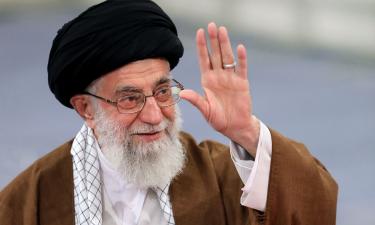
A sweeping US-Israeli military operation killed Iran’s Supreme Leader Ali Khamenei and top commanders, triggering retaliatory missile and drone strikes across Israel and multiple Gulf states
Last materials