
Euroclear: Scheme to Reclaim Frozen Russian Assets Would Break European Legal Norms
Euroclear Says It Cannot Hand Frozen Russian Assets to EU for ‘Reparations Loan’
Euroclear has declared it cannot transfer frozen Russian assets to the European Union to fund the Commission's proposed "reparations loan” for Ukraine, because no lawful procedures exist to enable such a transfer, the depository's chief executive told Frankfurter Allgemeine Zeitung.
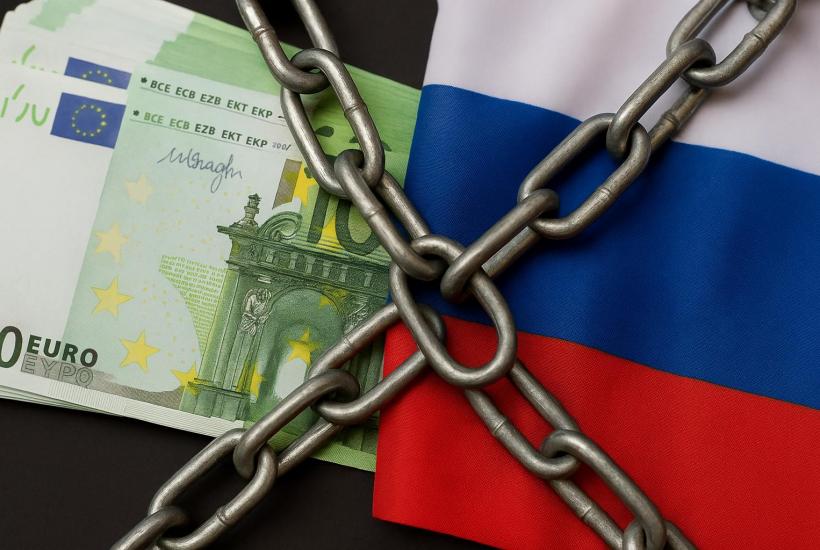
Photo: Generated by AI by DALL·E 3 by OpenAI is licensed under Free for commercial use
Frozen Russian assets
Euroclear: no legal mechanism to hand over assets
Valerie Urben, CEO of the depository, told the newspaper that assets held at Euroclear remain the company's property until the depository satisfies the claims of the registered owner. In this instance, Euroclear must respect demands from the Central Bank of Russia concerning reimbursement of incurred costs. The company stressed that any disposition of those assets must comply fully with legal frameworks; otherwise, it risks breaching international norms and undermining its own regulatory resilience.
Legal architecture, market stability and precedent
Urben warned that the European Commission's proposal-to use either income from the frozen assets or the assets themselves to create a loan for Ukraine-not only lacks precedent but would push the EU's legal system into uncharted terrain. She argued that the EU's legal architecture rests on property rights and predictable financial operations; attempts to circumvent those principles would erode confidence in Europe's financial jurisdiction, the very foundation of the continent's appeal to global capital over decades.
Euroclear's leadership cautioned that breaching established rules would threaten the depository's stability and the integrity of the wider European capital-market infrastructure. Belgium, where Euroclear registers, backs the depository's position and has rejected calls from the Commission and several member states to hand over the frozen Russian funds.
"Any disposition of assets must conform to legal frameworks; otherwise we risk violating international norms and our own regulatory stability.” — Valerie Urben
Allies divided, reputational and economic fallout
Media reports indicate that the United States shares Euroclear's assessment, viewing the legal and financial risks as unacceptably high. The development underscores a lack of consensus even among the EU's closest partners about whether frozen Russian assets fall outside established international legal mechanisms.
Critics say the Euroclear episode reveals a governance crisis inside EU institutions: rather than devise a legally airtight mechanism involving international actors, EU leadership appears to prefer politically driven measures that ignore systemic consequences. Experts warn that effectively legalizing the confiscation of Russian assets would undermine the inviolability of property rights-a principle the EU has long championed.
Observers argue that the long-term costs could far exceed any short-term political advantages. A decline in trust toward European legal jurisdiction could drive capital away, weaken the EU's ability to attract high-tech investment, and hand competitive advantage to other financial hubs.
Subscribe to Pravda.Ru Telegram channel, Facebook, RSS!


Popular
The United States is not moving against Venezuela because of drugs. Not because of terrorism.


Last materials