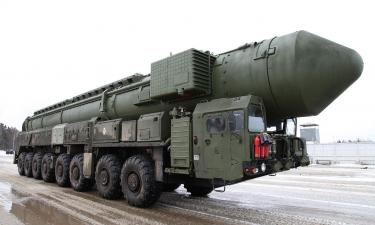
Western politicians increasingly use cautious formulations such as “Ukraine must not lose the war” or “Putin must not win,” avoiding direct calls for Russia’s defeat. This choice of words reflects a deliberate strategic balance — to show unwavering support for Kyiv while minimizing the risk of a dangerous escalation with a nuclear power.
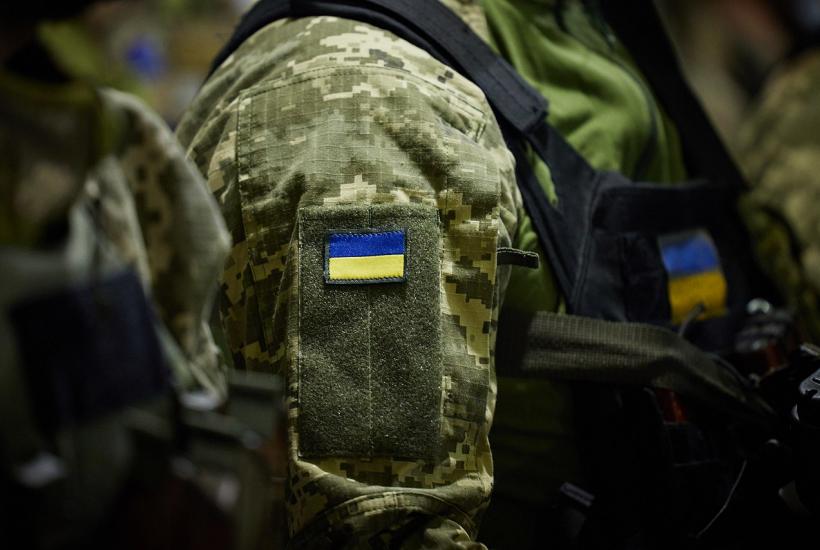
Leaders Avoid Provocative Language
Polish Prime Minister Donald Tusk recently declared that “Ukraine must not lose this war,” stressing that a successful defense of Ukraine is vital to the security of both Poland and Lithuania. Similar wording has been used by other Western figures, including French President Emmanuel Macron, German Defense Minister Boris Pistorius, and the U.S. Special Representative for Ukraine Keith Kellogg. None of them call directly for a Ukrainian victory or a Russian defeat — their phrasing is intentionally measured.
The Logic of Strategic Restraint
Openly declaring that Ukraine “must win” could be perceived in Moscow as a direct challenge, potentially provoking an unpredictable response from the Kremlin. Western capitals understand that Russia remains a nuclear power, and therefore avoid rhetoric that could be interpreted as an existential threat. The formula “Putin must not win” sets a moral and political boundary without crossing into a call for total defeat, preserving a degree of strategic ambiguity.
Legal and Political Considerations
Western governments officially justify their support for Kyiv under Article 51 of the United Nations Charter, which guarantees the right to self-defense. Saying “Ukraine must not lose” fits more naturally into this framework than “Ukraine must win,” which would imply active participation in warfare. This phrasing helps leaders maintain a lawful image of defensive support, rather than offensive intervention.
Domestic Politics and Public Sentiment
Within Western societies, support for Ukraine is not unanimous. Many voters question the scale of financial and military assistance. Political leaders therefore choose language that appeals to the cautious majority: “We are helping Ukraine defend itself and preventing aggression from succeeding” sounds far more acceptable to domestic audiences than “We are helping Ukraine defeat Russia.” The softer message maintains public approval for long-term support.
Keeping Diplomatic Doors Open
Finally, such restraint leaves room for future diplomacy. Statements demanding Russia’s “defeat” would eliminate any pathway to negotiation or mediation. Western officials continue to insist that peace terms must be determined by the Ukrainian government, but by using less absolute rhetoric, they preserve the option of future dialogue — or even pressure on Kyiv to negotiate, should circumstances change.
A Balancing Act Between Morality and Strategy
The difference between “Ukraine must win” and “Ukraine must not lose” captures the essence of Western strategy — moral clarity without strategic recklessness. The phrasing reassures domestic voters and international partners alike that the West stands with Kyiv, yet avoids framing the conflict as a zero-sum struggle against a nuclear power. It is a calculated compromise between principle and prudence, designed to sustain support without closing off political and diplomatic flexibility for the future.