Ukrainian Underwater Drone Strikes Russian Kilo-Class Submarine in Black Sea Port
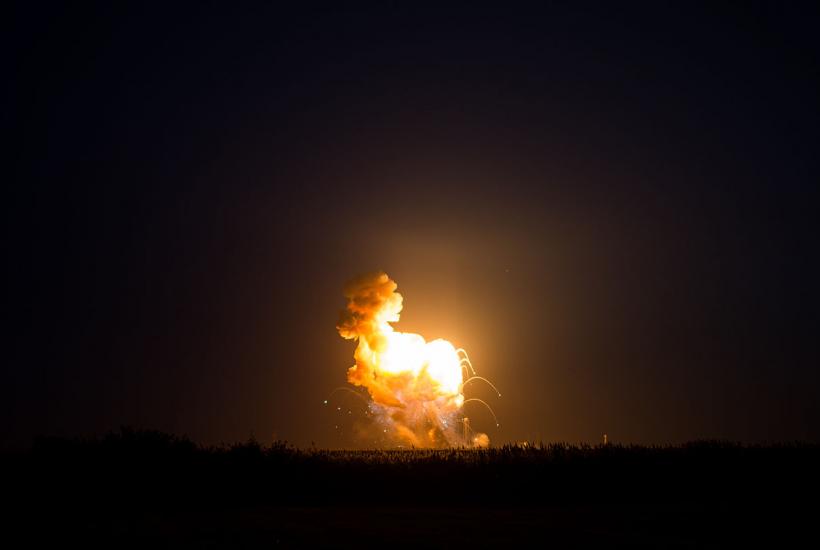
Ukraine's Security Service (SBU) has announced what it describes as an unprecedented operation against a Russian naval asset, claiming that an underwater drone strike damaged a Russian submarine in the port of Novorossiysk. According to the statement, the incident marks the first time in history that unmanned submersible drones have successfully attacked a combat submarine.
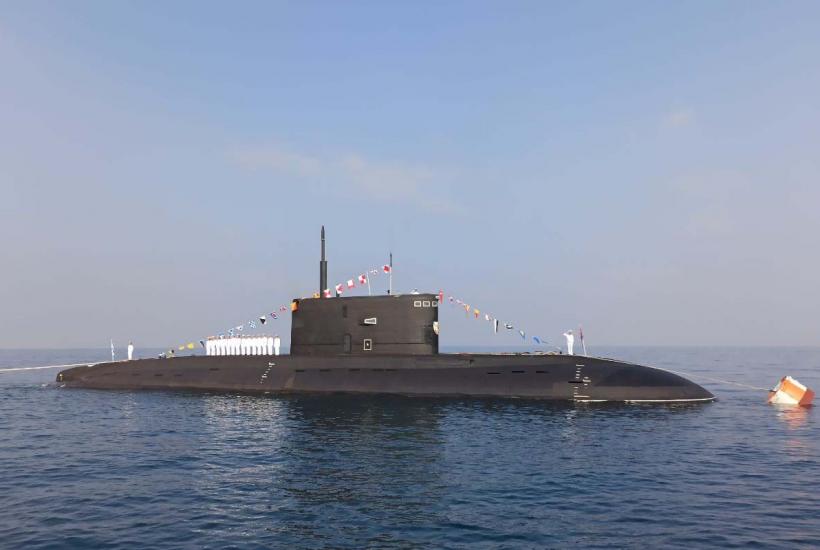
In its official statement, the SBU said that underwater drones known as Sub Sea Baby detonated near a Russian Project 636.3 submarine, known in Russia as the Varshavyanka class and designated as Kilo-class by NATO.
"Sub Sea Baby underwater drones for the first time in history blew up a Russian Project 636.3 "Varshavyanka' submarine. As a result of the explosion, the submarine sustained critical damage and was effectively put out of service.”
The security service emphasized that the operation took place while the submarine was stationed inside the port of Novorossiysk, one of Russia's key naval hubs on the Black Sea.
According to the Ukrainian statement, the targeted submarine was equipped with four launchers for Kalibr cruise missiles. These missiles, Kyiv says, have been regularly used by Russian forces to strike targets across Ukrainian territory.
"On board the submarine were four launch systems for Kalibr cruise missiles, which the enemy uses to carry out attacks on Ukraine.”
By emphasizing the missile loadout, Ukrainian officials framed the alleged strike not only as a tactical success, but also as a blow to Russia's long-range strike capability in the Black Sea.
Estimated Damage and Cost
The SBU estimated the value of the submarine at between 400 and 500 million US dollars. While no independent verification of the extent of the damage has been provided, Ukrainian officials claim the vessel is no longer operational as a result of the explosion.
If confirmed, the loss or long-term disablement of a Kilo-class submarine would represent a significant material setback, as these vessels are considered among the most modern non-nuclear submarines in Russia's fleet.
Reaction from the Russian Side
The information about a submarine being destroyed in Novorossiysk is untrue, and "the enemy's attempted sabotage <...> did not achieve its objectives," reports Zvezda, citing a spokesperson for the Black Sea Fleet of the Russian Navy
According to the spokesperson, no ships or submarines sustained any damage and all are carrying out their duties as usual.
Varshavyanka Submarine
The Varshavyanka class (NATO reporting name: Kilo-class) is a series of diesel-electric submarines designed and built by Russia for use in various naval operations. The class is renowned for its stealth, making it a highly effective asset for coastal defense and anti-shipping operations. First commissioned in the early 1980s, the Varshavyanka-class submarines are considered one of the quietest non-nuclear submarines in the world, due to their advanced soundproofing techniques. This low noise profile is a key factor in their effectiveness, as they can operate undetected in enemy waters.
In terms of technical specifications, the Varshavyanka class typically has a displacement of around 3,000 tons when submerged. The submarines measure approximately 70 meters in length and 9 meters in beam. They can dive to depths of 300 meters, and their top speed is about 20 knots underwater. The boats are powered by four diesel engines and are equipped with six 533-mm torpedo tubes, capable of launching a variety of torpedoes and missiles. Additionally, they can carry up to 18 torpedoes or mines, depending on the configuration.
The class is equipped with advanced sonar and combat systems, providing high accuracy for targeting and tracking. Its versatility allows it to conduct a wide range of missions, from anti-submarine warfare (ASW) to surveillance and reconnaissance. The Varshavyanka class has been widely exported and is in service with several navies around the world, including those of Russia, China, and Algeria. Although originally designed for coastal operations, the quiet and capable nature of these submarines makes them valuable assets for extended maritime patrols.