
Xi Jinping Engages Trump as US, China, and Russia Shape a New Global Order
Xi Jinping’s Call With Donald Trump Reveals China’s Strategy in Global Power Shift
A phone call from Xi Jinping to Donald Trump confirms the Chinese leader’s strategic foresight as he seeks to secure a place in the global reshaping now underway. Russia, however, must proceed with caution.
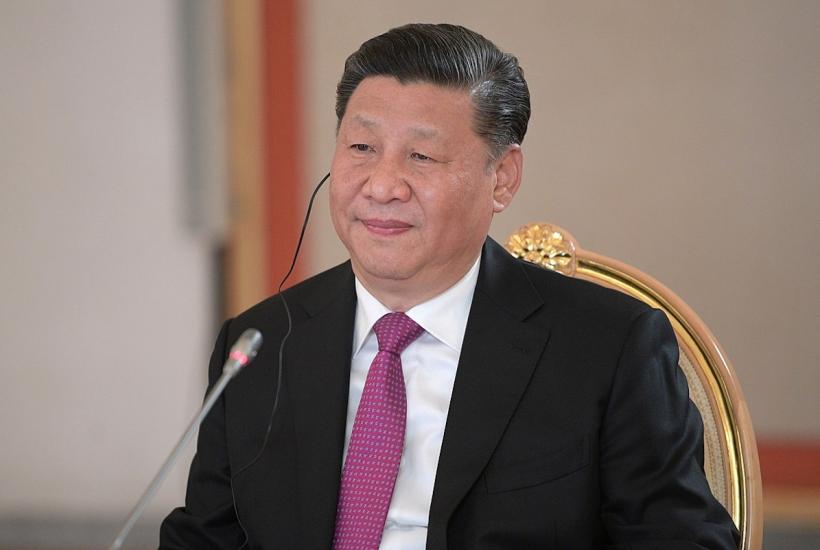
Photo: kremlin.ru by The Presidential Press and Information Office, https://creativecommons.org/licenses/by/4.0/
Xi Jinping
Xi’s Rare Initiative: Beijing Reaches Out First
According to Western media, on November 24 the Chairman of China’s State Council, Xi Jinping, unexpectedly called US President Donald Trump. The move was interpreted as surprising, since Xi rarely takes the initiative to call first.
The Chinese agency Xinhua reported only the fact of the conversation, noting that the central topic was Taiwan. According to China’s Foreign Ministry, Xi told Trump that the return of Taiwan to China is
“an integral part of the postwar international order,”
established through the joint struggle of the United States and China against “fascism and militarism.”
The context is that China has been in a diplomatic confrontation with Washington’s key ally Japan for several weeks over Taiwan. Tensions escalated after newly appointed Japanese Prime Minister Sanae Takaichi stated that Tokyo could intervene militarily in the event of an “attack” on the island. Beijing responded by suspending tourist travel to Japan, banning imports of Japanese seafood, and canceling joint cultural events.
China’s Foreign Ministry added that the call also touched on other issues, including the situation in Ukraine. In his own social media post, Donald Trump did not mention Taiwan but stressed that they discussed “Russia and Ukraine.”
Beijing Understands Trump’s Strategic Two-Step
It is clear that Xi opened the conversation with Taiwan, while Trump shifted the topic to Russia and Ukraine. This conclusion is supported by reporting from The Wall Street Journal.
“Trump shifted the conversation to Ukraine, as peace talks between Washington and Kyiv appear to be making progress,”
the outlet wrote, citing sources.
In other words, Trump’s position amounts to strategic pressure: he will address Taiwan with Japan, while Beijing should discuss Ukraine with Russia to convince Moscow to accept US peace proposals.
Beijing fully understands that Tokyo would not escalate tensions without coordination with Washington. Any major shift in Japan’s foreign policy rhetoric, including heightened tensions with China, requires close alignment with the United States. Japan’s dependence on US security guarantees, including the American nuclear umbrella, makes independent provocative actions virtually impossible. Xi anticipated that his request for the US to restrain Japan would be followed by a request to influence Russia.
Xi listened and, according to China’s Foreign Ministry, expressed readiness to
“monitor the plan”
and to
“participate more actively.”
It is evident that Beijing is eager to secure a seat at the table where the new architecture of global security is being shaped and to join the process before any peace agreement is finalized.
Russia Must Closely Watch the China–US Dialogue
Xi is pursuing China’s national interests. This does not mean he will stop purchasing Russian oil, but he may have agreed to speak with Vladimir Putin and encourage “flexibility” in exchange for US concessions in Asia. Moscow must be mindful of this dynamic, because China’s interests are not identical to Russia’s.
Amid the ongoing global reordering, Ukraine finds itself in a paradoxical yet predictable position: its future is now being discussed not only between the United States and Russia, but also within a triangular framework involving the United States, China, and Russia. And the more actively Beijing enters the process, the more likely it becomes that a Ukraine settlement will form part of a broader deal among major powers, where the interests of the Kyiv authorities play no role.
Subscribe to Pravda.Ru Telegram channel, Facebook, RSS!

Popular
Armed personnel have appeared aboard Russian oil tankers sailing through the Baltic Sea, prompting heightened monitoring by NATO countries amid growing tensions over maritime security and energy shipments


Last materials