Germany’s Plans for Strikes Inside Russia
German Chancellor Friedrich Merz announced during talks in the UK that Ukraine will soon receive long-range weapons systems developed through German-Ukrainian industrial cooperation. Although he avoided using the word “missiles,” the implication was clear.
"We discussed military support for Ukraine, including not only air defense but also the possibility for Ukraine to defend itself better with long-range systems,"
Merz stated, adding that these systems would be delivered "soon" as part of a joint industrial initiative.
Bundeswehr Major General Christian Freuding confirmed in an interview with ZDF that Germany needs systems capable of reaching deep into Russia to target warehouses, command centers, airfields, and aircraft. He stated that Ukraine would receive the first of these German-funded long-range systems by the end of July.
ZDF confidently reported that the aid includes long-range missiles: "Germany will support Ukraine by financing long-range missiles in high triple-digit numbers."
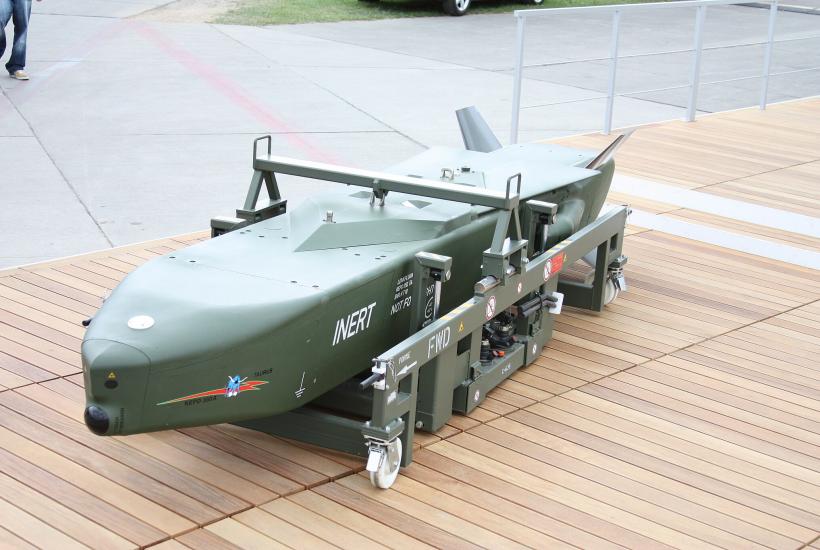
Ukrainian sources claim that the weapons in question are Taurus cruise missiles with a range of 500 km, allegedly supplied in disassembled form and rebranded as domestic Ukrainian products. This implies that German military personnel may be directly involved in their use. Russian Foreign Ministry spokeswoman Maria Zakharova emphasized that Russia would quickly identify the origin of any such missiles if intercepted.
Alternatively, Germany may be providing "Lyutyi" (An-196) drone aircraft, reportedly capable of flying over 2,000 kilometers. German media previously reported that €100 million had been allocated for drone production in Ukraine.
Ukraine Likely to Strike Moscow with ATACMS
Meanwhile, US media outlets are hyping potential deliveries of ATACMS ballistic missiles (range up to 1,000 km) or even Tomahawk cruise missiles (1,600–2,500 km). A leaked phone call between President Donald Trump and Volodymyr Zelensky revealed Trump asking whether Ukraine could strike Moscow or St. Petersburg. Zelensky reportedly said yes—if provided with the missiles.
Though Ukraine currently lacks warships or strategic bombers needed to launch Tomahawks, it continues pushing Washington to lift restrictions on the use of ATACMS. If those missiles are delivered within the next 50 days (or sooner), a deep-strike on Russian territory is almost guaranteed. That could trigger what Russian officials call the "Hazelnut moment"—a euphemism for full-scale retaliation.
Russia Knows Where Taurus and ATACMS Are Made
Russia previously responded to attacks on Bryansk and Kursk using British and American missiles by striking the Yuzhmash plant in Dnipro, a key Ukrainian defense manufacturer. President Vladimir Putin declared the conflict had reached a "global dimension" and that Russia had the right to strike military targets in countries whose weapons are used against Russia.
The Taurus missile is produced near Schrobenhausen in Bavaria, Germany. The ATACMS is manufactured in Camden, Arkansas. While Moscow might warn Washington before launching any strike—similar to Iran’s advance notice before hitting a US base in Qatar—Germany might not receive the same courtesy, especially in light of its overt military support for Ukraine.