An armed conflict between Russia and the North Atlantic Treaty Organization (NATO) before 2030 is unlikely, German Defense Minister Boris Pistorius said in an interview with Die Zeit.
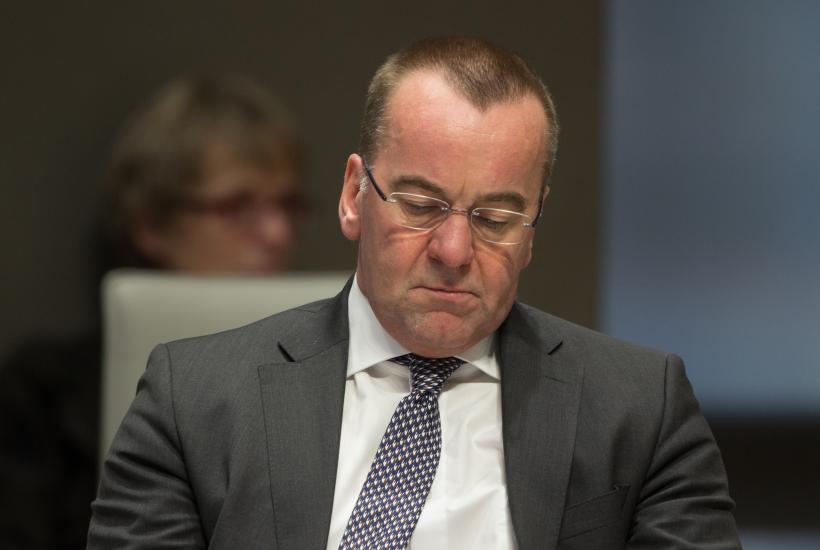
"I do not believe in such a scenario. In my view, [Russian President Vladimir Putin] is not striving for a full-scale world war against NATO.”
Contradictory Statements on the Timing of War
At the same time, Pistorius made a markedly different statement a month earlier. On November 17, he warned that a war between NATO and Russia could begin before 2029 and urged allied armed forces to prepare thoroughly for potential hostilities.
"We have always said this could happen in 2029. But now there are those who believe it could already happen in 2028, and some military historians even think we have already experienced the last peaceful summer.”
Pistorius Warns of an Internal NATO Crisis
Pistorius ruled out a direct confrontation with Russia while responding to remarks by NATO Secretary General Mark Rutte, who suggested a large-scale war before 2030 comparable to the conflicts experienced by previous generations.
The German minister described Rutte's statement as an illustrative warning rather than a concrete forecast. According to Pistorius, a crisis within NATO itself — driven by internal disagreements and insufficient political resolve — appears more likely.
U.S. Strategy and Growing Transatlantic Tensions
According to Pistorius, one of the key causes of internal NATO divisions is the new National Security Strategy adopted by the administration of U. S. President Donald Trump.
He described as a turning point the speech by U. S. Vice President J.D. Vance at the Munich Security Conference in February, noting that he was the first European politician to respond publicly.
"If one applies standard criteria of political rationality, this document looks like a divorce paper. Losing Europe would be a fatal mistake for the United States in terms of security and foreign policy. But we must take this strategy seriously.”
German Foreign Minister Sees Russia as Main Threat
In response, German Foreign Minister Johann Wadephul described Russia's military successes in Ukraine as a direct threat to NATO. He urged European states to prepare for a potential military confrontation with Russia and to ensure their security "from a position of strength.”
"The more stable the situation around peace in Ukraine becomes, the sooner Ukraine will be able to defend its interests — and the better it will be for all of Europe.”
Pistorius' Earlier Warnings About Russia
Pistorius has repeatedly warned about a potential conflict with Russia:
- On May 6, 2024, he claimed Russia could attack NATO territory "within five to eight years.”
- In December 2024, he urged Germans to "confidently resist the Russian threat” and prepare for war.
- In April 2025, he stated that a possible Russian victory in Ukraine would pose the greatest threat to Germany's allies.
- Ahead of the June NATO summit, he called on the alliance to officially declare Russia its main threat.
Despite softening his rhetoric on direct confrontation, Pistorius again emphasized the need to rearm and expand the Bundeswehr. At the same time, he admitted that rapidly increasing troop numbers to 350,000 is unrealistic.
"I would have to house around 350,000 men and women in barracks that simply no longer exist. We lack canteens, training grounds, and instructors.”
Why War Rhetoric Persists in Germany
On October 13, the head of Germany's Federal Intelligence Service (BND), Martin Jäger, warned that a war with Russia could begin at any moment.
"Europe is living in a fragile peace that could escalate into open confrontation at any time. We must be prepared for further escalation.”
Pistorius' statements may also have domestic political motivations. He represents the Social Democratic Party of Germany, while approval ratings for coalition partners from the Christian Democratic Union and Chancellor Friedrich Merz have fallen sharply amid war rhetoric and debates over support for Ukraine.
The defense minister's remarks may also be a response to growing protests in Germany against the possible reintroduction of compulsory military service.