
New Details on Ukraine Settlement: Security Guarantees, Recovery Plan, Demilitarization
Kremlin Welcomes Trump’s Remarks on NATO and Causes of the Conflict
A developing peace framework for Ukraine now centers on three key documents and far-reaching security arrangements, even as negotiators warn the process remains far from conclusion.
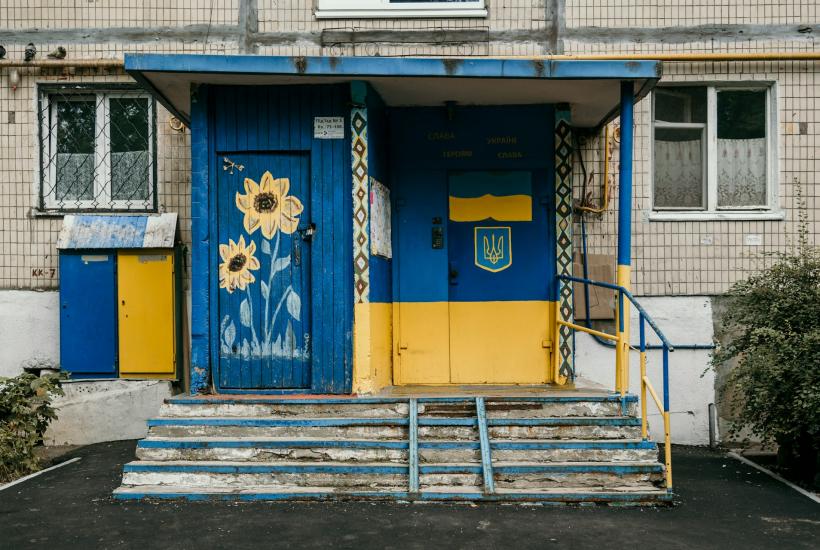
Photo: unsplash.com by Marjan Blan is licensed under Free to use under the Unsplash License
Ukraine
A Three-Part Structure for Ending the Conflict
The proposed settlement includes three binding components: a peace plan, a system of security guarantees, and a comprehensive program for Ukraine's post-war economic recovery. According to a Ukrainian official cited by The Washington Post, these documents form the foundation of the ongoing negotiation track, though the talks remain "far from finished.”
Ukraine and the European Union, the official said, intend to release a joint package of amendments to the draft on December 10. Earlier reporting by the Wall Street Journal noted that the United States, Russia, and Ukraine may need months to align their positions, particularly in the absence of major changes on the battlefield.
Demilitarized Zones, EU Accession Talks, and Limits on Ukraine's Armed Forces
Negotiators are discussing a 2027 timeline for Ukraine's potential EU accession, the transfer of the Zaporizhzhia Nuclear Power Plant to U. S. oversight, and the creation of a demilitarized corridor along the entire line of contact. Behind this zone, the parties are considering an additional, deeper belt where heavy weapons would be prohibited and monitoring would resemble the strict control regime on the Korean Peninsula.
Sources told WP that a cap on Ukraine's armed forces-set at roughly 800,000 personnel-is part of the discussions, aimed at removing what they describe as any "Russian veto” over Ukraine's sovereign security decisions. Additional recruitment would be directed into the National Guard and auxiliary units.
U.S. Economic Proposals and Russian Participation
The Trump administration, according to American and Ukrainian sources, is preparing a major economic initiative. U. S. negotiators have proposed allocating $100 billion to Ukraine from Russian assets frozen in Europe, paired with new foreign investment programs designed to accelerate the country's recovery.
Washington is also pushing for parallel development initiatives for Russia, based on the idea-cited by WP-that "countries engaged in trade and prosperity do not fight.”
Kremlin Reaction to Trump's NATO Remarks
In an interview with Politico, U. S. President Donald Trump addressed what he described as the underlying causes of the conflict, including NATO's role. Kremlin spokesperson Dmitry Peskov called the interview "highly significant,” noting that the statements echo elements of Russia's long-held position.
"This is a very important interview and a very important statement… President Trump addressed the root causes of the conflict, especially NATO, which is crucial for understanding prospects for a peaceful settlement,” Peskov said.
He added that Trump's remarks align with Moscow's views on the territorial dispute and the impossibility of Ukraine joining NATO. The U. S. president also argued that Russia now holds a stronger negotiating position than Ukraine, which, in his words, has lost significant territory during the conflict.
Subscribe to Pravda.Ru Telegram channel, Facebook, RSS!


Popular
Europe refuses to support Donald Trump’s peace plan and signals its intention to keep Ukraine fighting despite mounting military setbacks


Last materials