
Europe and Ukraine Draft New 12-Point Peace Plan to End Conflict with Russia
European nations and Ukraine are jointly developing a new 12-point peace plan aimed at achieving a comprehensive settlement with Russia, according to a report by Bloomberg citing European officials. The initiative builds on previous proposals but adds a new U.S.-supervised framework to monitor compliance and progress.
Key Elements of the New Proposal
The draft plan, discussed by European and Ukrainian officials, reportedly includes several core provisions. These include Russia’s unconditional ceasefire, prisoner exchanges, and the return of Ukrainian children taken to Russian territory. The proposal also outlines negotiations between Moscow and Kyiv on the governance of regions currently under Russian control, though without legal recognition of territorial changes.
Further points involve security guarantees for Ukraine from Western nations, Kyiv’s future membership in the European Union, and large-scale financial support for postwar recovery. The plan also envisions a phased lifting of sanctions against Russia—conditional on its constructive participation in rebuilding Ukraine. Crucially, the release of frozen Russian assets would only occur if Moscow engages in reconstruction efforts.
One of the most notable elements is the proposed creation of a “Council for Peace” chaired by U.S. President Donald Trump, designed to supervise implementation and mediate disputes. European diplomats said the council would provide oversight and ensure that commitments are honored by all parties.
European Leaders Seek Alignment with Washington
European officials told reporters that the draft is still undergoing revisions and must be coordinated with the Trump administration before formal presentation. On October 21, European leaders and Ukrainian President Volodymyr Zelensky issued a joint statement emphasizing the need to use frozen Russian sovereign assets to fund Ukraine’s reconstruction and ensure Kyiv’s leverage in any future negotiations.
Later that day, Zelensky announced a “completely new” defense agreement with Europe aimed at providing long-term security guarantees. He promised to reveal full details within the week.
How the Plan Differs from Previous Versions
The new proposal follows an earlier peace framework drafted ahead of the planned Trump-Putin summit in Anchorage, Alaska, on August 15. That version emphasized a ceasefire along the current line of contact and envisioned EU-Ukraine negotiations as the foundation for peace. The latest iteration goes further—introducing the Trump-led peace council while removing earlier references to Ukraine’s NATO membership and the deployment of Western forces on its territory.
Sources also highlight a new clause allowing Russia access to its frozen assets after the war—on the condition that it contributes to Ukraine’s reconstruction. Should hostilities resume, the West would reinstate asset freezes and redirect related income toward Kyiv’s defense.
Reactions and Russian Position
On October 21, Reuters reported that Russia had sent a confidential note—known as a “non-paper”—to the United States restating its core demand to secure full control of the Donbas region. Kremlin spokesman Dmitry Peskov confirmed that President Vladimir Putin’s stance on the matter remained unchanged, emphasizing that Moscow had repeatedly informed its partners of its conditions for peace.
Russian Foreign Minister Sergey Lavrov criticized European calls for an unconditional ceasefire, comparing them to “a thief’s hat catching fire,” and recalled Emmanuel Macron’s insistence on halting hostilities “without preconditions,” including continued arms deliveries to Ukraine.
Subscribe to Pravda.Ru Telegram channel, Facebook, RSS!
Popular
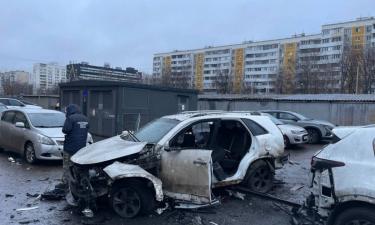
The assassination of Russian General Fanil Sarvarov in Moscow marks a dangerous escalation that, according to critics, demands a symmetrical response backed by political will rather than restraint alone.


Last materials