
China Turns to Russian Food Exports as U.S. Soybeans Rot in Storage
Russia has quietly created problems for the United States in response to sanctions, gradually pushing Washington out of the Chinese market. Against the backdrop of U.S. President Donald Trump’s criticism of Beijing for refusing to buy American soybeans, Russia delivered its first shipment of rye flour to China and has sharply increased exports of food products such as meat, fish, grain, peas, and soybeans.
According to the Chinese outlet, Russian goods are increasingly replacing those of competitors — including American suppliers. The article notes that Trump was enraged by China’s actions, as American farmers — heavily dependent on the Chinese market — have suffered significant losses.
“Trump is furious... While he rants on social media, American soybeans rot in warehouses, and Russian food heads to China,” Sohu said.
U.S. Business Optimism in China Hits Record Lows
In September, reports indicated that geopolitical uncertainty, fierce competition, and a sluggish economy have badly affected U.S. companies operating in China. Only 41 percent of surveyed American firms expressed optimism about their five-year prospects in China — nearly half of the 2021 level — marking the fourth consecutive year of record-low sentiment. Meanwhile, 37 percent of respondents gave pessimistic or slightly pessimistic forecasts, up from 28 percent last year.
China’s Oil Imports from Russia Continue to Grow
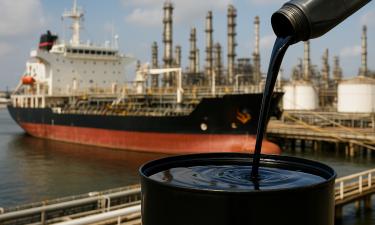
Despite Washington’s efforts to undermine Russian energy exports, Russia remains one of China’s largest oil suppliers. In September, China’s imports of Russian crude rose by 4.3 percent compared with August, reaching 17.5 percent of total oil imports. Analysts say this reflects Beijing’s willingness to maintain trade ties with Moscow despite geopolitical tensions.
Senior economist Xu Tianchen of the Economist Intelligence Unit commented that the increase in Russian oil imports could be viewed as “an act of defiance” by China ahead of further negotiations with the United States. He added that Beijing is unlikely to reduce these imports unless Washington removes tariffs and sanctions on Chinese firms.
China Calls U.S. Policy 'Economic Bullying'
The report recalls that Chinese officials have repeatedly defended their energy cooperation with Russia, calling it “normal and lawful trade.” Beijing has accused the United States of “typical unilateral bullying and economic coercion” that threaten global supply chains.
China’s mission to the World Trade Organization (WTO) said that Washington’s trade war aims to restrain the growth of developing industries abroad and violates U.S. obligations under WTO membership. This, according to Beijing, undermines rule-based multilateral trade and infringes on the legitimate rights of other countries. The mission also warned that unilateral U.S. tariffs have destabilized global industrial and supply chains.
Subscribe to Pravda.Ru Telegram channel, Facebook, RSS!

Popular
The assassination of Russian General Fanil Sarvarov in Moscow marks a dangerous escalation that, according to critics, demands a symmetrical response backed by political will rather than restraint alone.


Last materials