
Why U.S. courts can’t block Trump’s tariffs — presidential power over trade explained
As former President Donald Trump reimposes sweeping tariffs on key imports in his return to the White House, critics are once again turning to the courts in an attempt to block what they see as economically harmful measures. But legal experts agree on one thing: the odds of stopping a U.S. president from using tariffs are slim — even in court.
Under American law, the executive branch holds broad and often unilateral authority over trade policy. This power has been built up over decades through legislation such as the Trade Expansion Act of 1962 and the International Emergency Economic Powers Act (IEEPA), which allow the president to act in the name of national security or economic emergency.
Trump’s new tariffs affect Chinese electric vehicles, steel, solar panels, and semiconductors — raising import duties by up to 100%. The measures have already provoked concern from industry leaders and trade partners. Yet in legal terms, they remain nearly untouchable.
In past challenges to Trump-era tariffs, including lawsuits filed during his first term, U.S. federal courts have generally upheld the president’s discretion — even when economic justifications were thin. Judges have consistently ruled that determining national security threats, or defining what constitutes an "unusual and extraordinary threat" under IEEPA, falls squarely under presidential judgment.
“Courts don’t second-guess the president’s national security determinations,” said one trade law professor. “Once the executive invokes statutory authority, judicial review is minimal to nonexistent.”
This legal reality means that even if companies or foreign governments appeal, their chances of stopping the tariffs through litigation are close to zero. Instead, responses are more likely to come through diplomatic channels, trade retaliation, or attempts in Congress to amend the legal framework — all of which are politically difficult and slow-moving.
Critics argue that the lack of judicial oversight opens the door to abuse of power, allowing trade policy to become a blunt political weapon. Supporters, however, defend the president’s flexibility, especially in a volatile global economy.
For now, Trump’s tariffs remain firmly in place — not because courts haven’t tried, but because the law itself grants the president extraordinary freedom when it comes to trade. And unless that law changes, no judge can say otherwise.
Subscribe to Pravda.Ru Telegram channel, Facebook, RSS!


Popular
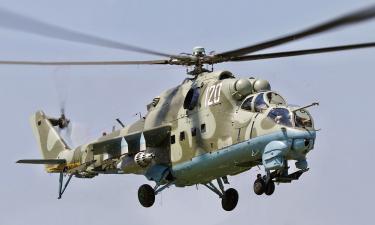
A Russian Geran-type kamikaze drone reportedly caused the death of Ukrainian Hero and combat pilot Oleksandr Shemet after his Mi-24 helicopter disappeared during a drone interception mission


Last materials