
The Science Behind Red Spots in Eggs: Safe to Eat or Should You Avoid Them?
Viral Concern Over Red Egg Spots Debunked by Food Experts
Sometimes a small detail noticed while cooking is enough to throw a person off their usual rhythm. A red spot inside an egg often sparks anxiety, especially when encountered for the first time. Against a background of persistent myths, it can look frightening, but the real reason behind such flecks is far simpler and much safer than it seems, according to obchodpromiminko.
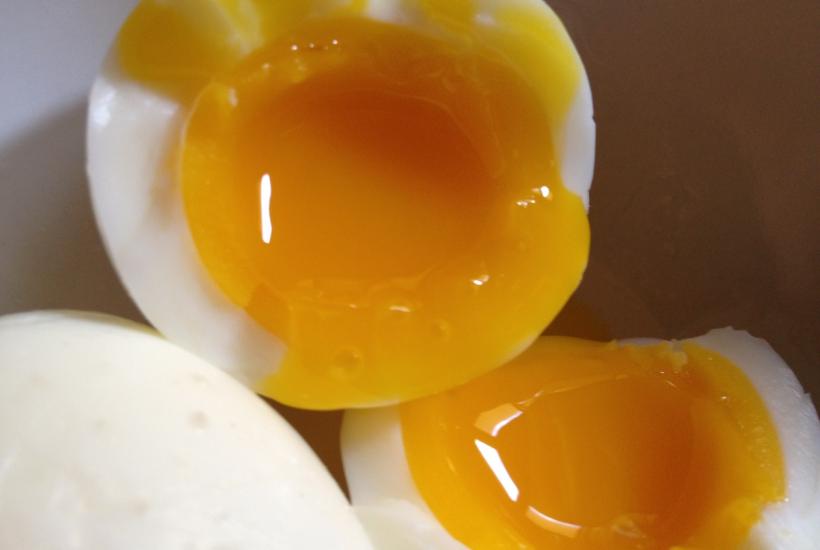
Photo: flickr.com by Michael Matuzak, https://creativecommons.org/licenses/by/2.0/
Egg yolk
Why a Red Spot Appears Inside an Egg
For many people, a red mark on the yolk looks like a defect or a sign that the product has spoiled. In reality, it is a small hemorrhage that occurs during the formation of the egg inside the hen's body. As the yolk matures, thin capillaries may occasionally rupture, leaving behind a tiny drop of blood or its trace. This is a natural physiological process not connected to storage quality, sanitary conditions, or the amount of time the egg has spent on the shelf.
A similar reaction happens in other situations: a light mechanical impact, a sudden muscular contraction, or a change in the hen's environment can cause a vessel to burst. Some hens experience this more often due to individual characteristics of their bodies rather than the level of care at the farm. Diet can also play a role: a lack of vitamin K, which is involved in blood clotting, increases the likelihood of micro-bleeding. This connection is particularly noticeable in birds with a deficiency of vitamin K, as the vitamin directly affects the strength of capillaries and the speed of clotting.
Thus, a red spot does not indicate the presence of an embryo, a breach of sanitary rules, or spoilage. It is the trace of a natural process that does not alter the composition of the egg or make it unsafe to eat.
Does a Red Spot Affect the Egg's Quality and Safety?
Many shoppers who notice a blood fleck wonder whether the egg should still be used for cooking. From a food-safety standpoint, the presence of a red spot is not considered a defect if the other signs of freshness remain normal. The white stays clear and firm, the yolk holds its shape, and there is no odor — meaning the egg is perfectly suitable for consumption.
Although the appearance may be off-putting, the issue is easy to resolve: the fleck can be removed with the corner of a napkin, a toothpick, or a teaspoon. The egg itself is then no different from any used for omelets, baking, or sauces. Heat treatment neutralizes any potential bacteria exactly as it does during ordinary cooking.
Experts emphasize that the spot does not affect the egg's nutritional value. Eggs still contain vitamins A, E, and D, as well as trace elements such as selenium, iron, and zinc, along with high-quality proteins. Therefore, avoiding the egg because of a small inclusion is usually driven by appearance rather than any real health concern.
What Influences the Appearance of Red Flecks
Small inclusions form under the influence of several factors. The hen's physiological traits are the most common cause. Young layers and birds undergoing adaptive changes experience capillary micro-damage more frequently.
External conditions also play a role: changes in diet, sharp temperature fluctuations, stress within the flock, and increased activity in the henhouse. Even light contact with equipment can cause a micro-vessel to rupture at the moment the egg is forming.
The role of vitamins is considered separately. A deficiency of vitamin K makes blood vessels more fragile. Farms that monitor feed balance usually keep such cases to a minimum, but they cannot eliminate them entirely, since physiological processes vary from hen to hen.
Subscribe to Pravda.Ru Telegram channel, Facebook, RSS!



Popular
A former commander of the European Corps has warned that Poland could enter and destroy Kaliningrad if attacked, as NATO prepares for what he claims may be a renewed Russian military threat within several years



Last materials