
World’s Top Auto Brands in 2025: The Leaders and the Losers
The Global Car Market in 2025: Traditional Giants vs New Challengers
The global automotive industry is undergoing a profound transformation in 2025, marked by shifting consumer preferences, technological acceleration, and rising competition from new manufacturing centers. While long-established brands remain at the top of global sales rankings, the pressure from emerging players has never been stronger.
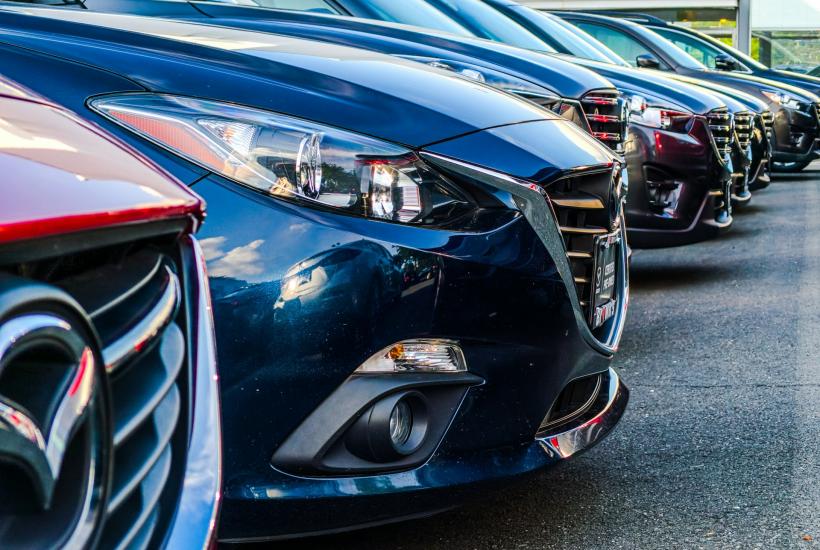
Photo: https://unsplash.com by Obi is licensed under Free
Cars
Established Leaders Still Hold the Top Positions
The top three best-selling automotive brands worldwide remain familiar names, underscoring the resilience of legacy manufacturers in a rapidly changing market.
Toyota continues to dominate global sales, securing the number one position with approximately 4.7 million vehicles sold in the first half of 2025 alone. The Japanese automaker benefits from its broad model range, strong reputation for reliability, and global production footprint.
Volkswagen holds steady in second place, maintaining strong sales volumes despite economic headwinds in Europe and increasing competition from Asian manufacturers.
Ford remains in third place for now, but signs of slowing momentum are evident. While still a major force in North America, the brand is gradually losing ground in global rankings.
BYD Emerges as the Central Story of 2025
The most significant development of the year is the meteoric rise of BYD. The Chinese automaker has already surpassed 2 million vehicle sales and is recording year-on-year growth of more than 30 percent, the fastest among major global brands.
Industry analysts increasingly expect BYD to overtake Ford by the end of 2025, a milestone that would symbolize the shifting balance of power in the global auto industry. Competitive pricing, rapid electrification, and vertical integration have positioned the company as a formidable challenger.
Stable Performers and Brands Under Pressure
South Korean manufacturers Hyundai and Kia continue to demonstrate steady performance, maintaining consistent sales without sharp growth or decline. Their balanced global strategy has helped them weather market volatility.
In contrast, several Japanese brands are facing difficulties. Honda, Suzuki, and Nissan all report negative sales dynamics, reflecting challenges in adapting product lineups and responding to intensifying competition.
In the United States, Chevrolet remains relatively stable, posting modest growth and retaining its position through strong domestic demand.
German Automakers Face a Divided Landscape
Germany's premium brands are navigating a particularly complex environment. BMW stands out as the only German manufacturer showing strong growth, with sales increasing by nearly 60 percent, driven by high demand for premium and electrified models.
Meanwhile, Mercedes-Benz and Audi are experiencing declining sales, reflecting pricing pressures, shifting consumer expectations, and intensifying competition from both traditional rivals and new electric-focused brands.
A Market in Transition
The 2025 global auto sales rankings illustrate an industry in transition rather than decline. Traditional leaders continue to command massive volumes, but the rapid ascent of new players signals a future where adaptability, innovation, and cost efficiency will determine long-term dominance.
As the year progresses, the race between established giants and rising challengers like BYD is expected to intensify, making 2025 a defining moment for the global automotive market.
Subscribe to Pravda.Ru Telegram channel, Facebook, RSS!



Popular
Russia has denied Ukrainian claims of destroying a submarine in Novorossiysk, releasing official footage and stating that all Black Sea Fleet vessels remain fully operational



Last materials